Home Blog

How to Avoid Crypto Scams: Your Complete Protection Guide

0

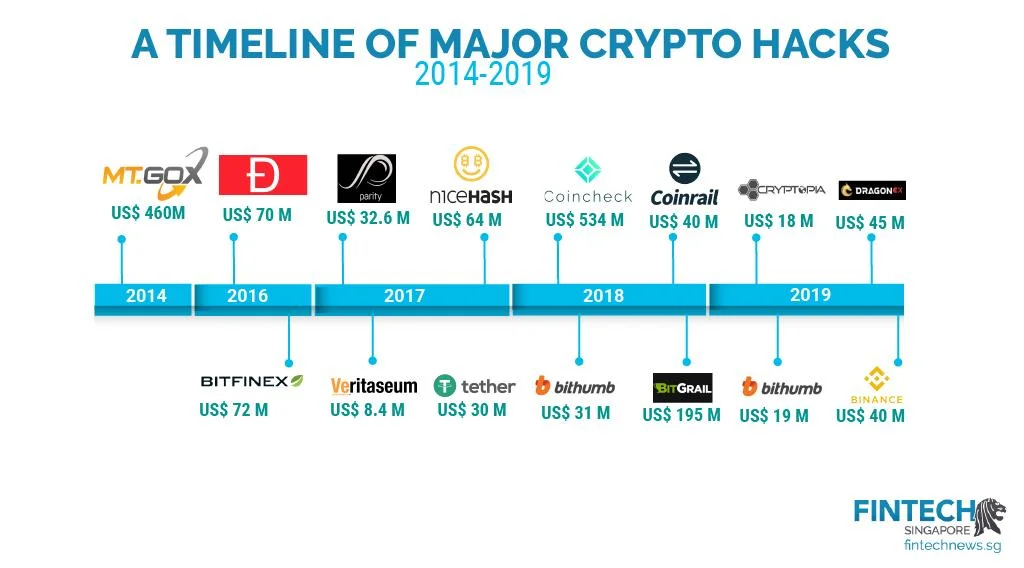
Have you ever wondered why so many people lose money in crypto? In the first half of 2025 alone, investors lost around $3.1 billion to crypto-related scams and hacks according to industry reports.

Crypto scams are everywhere these days, preying on beginners and even seasoned investors who let their guard down. If you’re new to this world or just dipping your toes in, it’s easy to get excited about quick gains and overlook the dangers. I’ve been writing about crypto for years, and trust me, I’ve seen friends and readers fall victim to these tricks. But here’s the good news: with the right knowledge, you can spot and avoid them entirely.

In this complete protection guide, we’ll break down everything you need to know about crypto scams. We’ll cover the most common types, red flags to watch for, and practical steps to keep your funds safe. Whether you’re a complete beginner or an intermediate investor, this article will equip you with tools to navigate the crypto space confidently.

To kick things off, let’s look at a quick comparison of common crypto scams versus legitimate opportunities. This table will help you spot the differences at a glance.

Scam TypeKey CharacteristicsLegit CounterpartRisk Level
Phishing AttacksFake emails or sites stealing your infoOfficial exchange apps with 2FAHigh
Rug PullsProjects where devs dump tokens suddenlyEstablished coins with transparent teamsVery High
Pig ButcheringRomance/build trust then invest in fake schemesReal investments via reputable platformsHigh
Fake GiveawaysPromise free crypto for sending firstGenuine airdrops from verified projectsMedium
Ponzi SchemesPromise high returns from new investors’ moneySustainable yield farming on DeFiExtreme

Understanding the Rise of Crypto Scams

Crypto scams aren’t new, but they’ve exploded in recent years. Back in 2024, Americans lost approximately $9.3 billion to cryptocurrency fraud according to the Federal Trade Commission, and by the first half of 2025, reports already estimate about $3.1 billion gone across Web3 hacks and scams.

Why? Because crypto’s popularity draws in crowds, and where there’s money, scammers follow. Think about it like this: it’s similar to the gold rush days, where con artists sold fake maps to miners. Today, they’re selling fake promises online.

I’ve covered countless stories, and one thing stands out—most victims are beginners who rush in without research. If you’re just starting out and want to learn how to trade crypto safely, it’s crucial to understand these risks first. However, even intermediates get caught if they’re chasing high yields. In fact, scams now use AI for deepfakes and sophisticated bots, making them harder to detect than ever before.

Let’s break it down. Scammers thrive on hype. During bull markets, like the one we’re in now, people get FOMO (fear of missing out) and ignore warnings. Meanwhile, in bear markets, desperation leads to risky “recovery” schemes. Here’s the deal: education is your best defense. By understanding why these scams work, you’ll be less likely to fall for them.

Learning about scams early saves you money and stress while building confidence in real investments. It helps you spot opportunities that are actually legit. The downside? It takes time, but trust me, it’s worth it. I remember my first close call—a fake wallet app that looked real. I double-checked the URL and dodged a bullet. You can too.

What drives this rise? Social media plays a big role. Scammers pose as influencers or use bots to pump fake projects. Plus, with crypto ATMs popping up everywhere, fraudsters exploit them for quick cash grabs. According to law enforcement data, losses tied specifically to crypto ATM scams reached roughly $240 million in 2024, and some 2025 reports suggest a similar amount was lost again just in the first half of the year.

The crypto world is exciting, but scams are part of it. Arm yourself with knowledge, and you’ll navigate safely. Next, let’s dive into the specific types you need to watch out for.

Pro Tip: Always start small. Test with $50 before going big—it’s how I learned without taking big losses.

Common Types of Crypto Scams You Need to Know

Alright, let’s get into the nitty-gritty. There are tons of crypto scams out there, but a few stand out as the most common. Knowing them is like having a roadmap to avoid pitfalls.

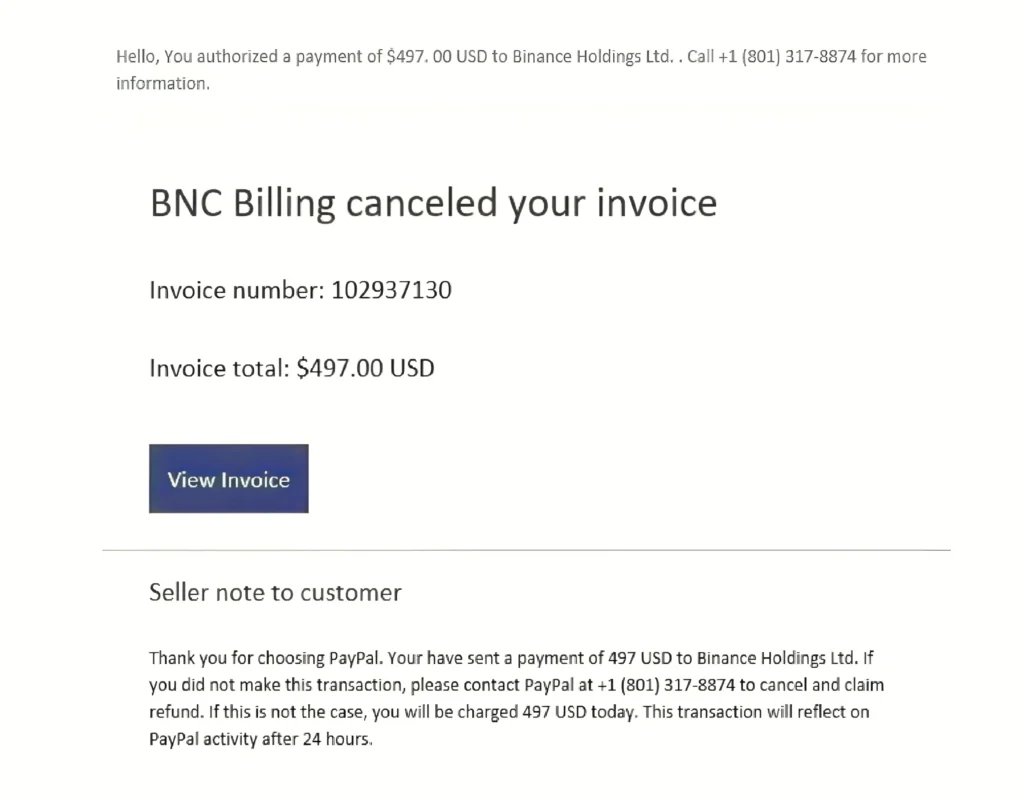
First up: phishing attacks. These are fake emails or websites that mimic real ones, like a bogus Binance login page. They trick you into entering your keys or passwords. In 2025, these have gotten slicker with AI-generated messages. For example, scammers impersonate support teams, saying your account’s at risk. The U.S. Federal Trade Commission and similar regulators regularly warn that urgent emails claiming “account problems” at services like PayPal or wallet providers are classic phishing scams.

Those urgent emails from MetaMask and PayPal are phishing scams / consumer.ftc.gov

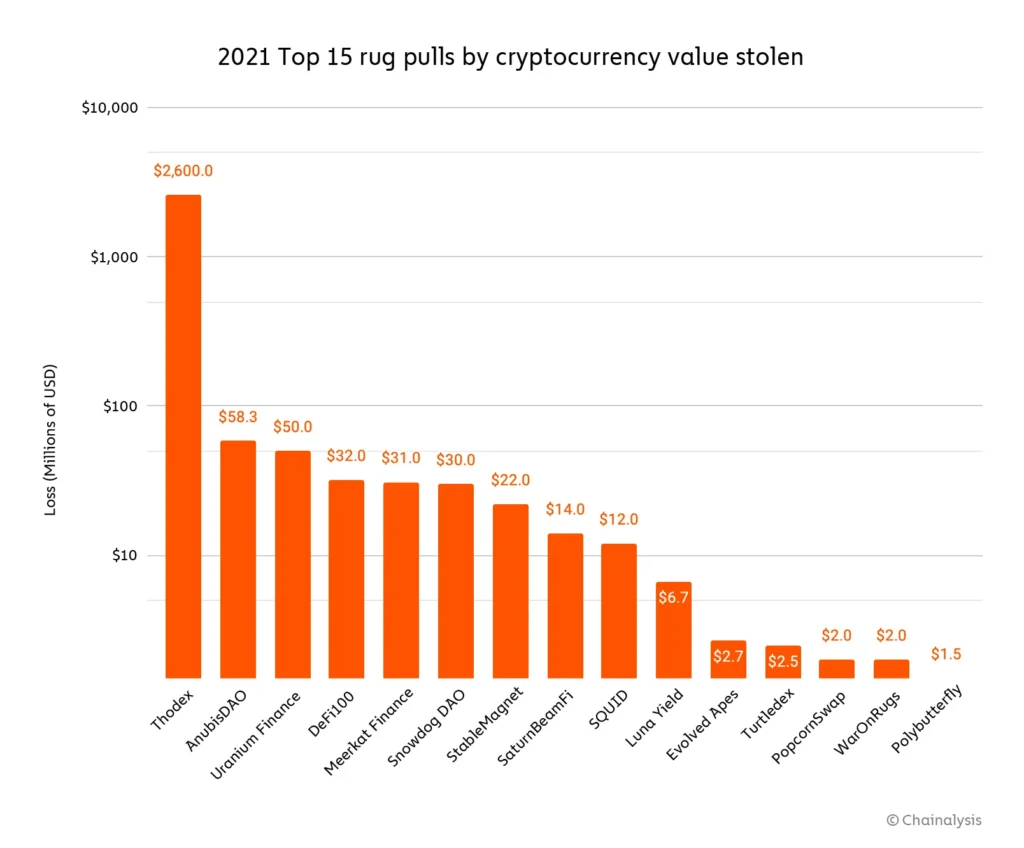
Then there’s rug pulls, where developers hype a new token, attract investors, and suddenly sell off their shares, crashing the price. Remember Squid Game token in 2021? It rugged for millions. Blockchain analytics firms like Chainalysis have shown that rug pulls took in a huge share of scam revenue in 2021 and remain a major problem—especially in 2024–2025 memecoin cycles on platforms like Solana. If you want to learn more about identifying these schemes early, check out our detailed guide on how to spot rug pulls and avoid scams.

Crypto Scams: 2021 Rug Pulls Put Revenues Near All-Time High / chainalysis.com

Pig butchering scams are heartbreaking. Scammers build relationships via dating apps or social media, gain trust, then convince you to invest in fake crypto schemes. It’s called “pig butchering” because they “fatten” you up with small wins before the slaughter. Law enforcement and cybercrime reports now attribute billions of dollars in annual losses to this type of investment fraud.

Other types include fake giveaways (send 1 BTC, get 2 back—yeah, right), Ponzi schemes like Bitconnect from years ago, and wrench attacks where thieves physically threaten you for keys.

From a scammer’s perspective, these schemes are easy to set up with high rewards. For you as an investor, they mean total loss if caught. Real case in point: The FTX collapse in 2022, driven by proven fraud at the exchange, led to billions of dollars in losses for customers and investors and showed how even large centralized platforms can fail catastrophically.

Have you encountered any of these? If not, great—keep reading to stay that way.

These scams evolve constantly, but patterns remain consistent. Spot the type, and you’re halfway to avoiding it.

Warning: Never click unsolicited links. Always type URLs manually into your browser.

Red Flags: How to Spot a Scam Before It’s Too Late

Here’s the thing: crypto scams often wave red flags if you know where to look. Let’s unpack them so you can spot trouble from a mile away.

First, promises of guaranteed returns. If someone says “10x your money in a week,” run. Crypto’s volatile—no guarantees exist. I fell for a similar pitch early on and lost $200. Lesson learned. Cybersecurity companies regularly list “too-good-to-be-true returns” as a top online scam red flag, and it applies perfectly to crypto.

5 online scam red flags | Kaspersky official blog / kaspersky.com

Unsolicited messages? Big red flag. Scammers DM on X or Telegram, pretending to be experts. Real pros don’t cold-call for investments.

Pressure tactics: “Act now or miss out!” Legit projects give you time for research and due diligence.

Fake endorsements: Deepfakes of Elon Musk promising free crypto? Completely fake. Always check official channels directly through verified social media accounts or official websites like Ethereum.org.

Shady websites: Typos, no HTTPS, or copied designs scream scam. Use tools like WHOIS to check domain age—brand-new domains pushing huge “opportunities” are suspicious.

No transparency: Anonymous teams, no whitepaper, or no clear business model? Locked liquidity with no explanation? Rug pull incoming.

Here are some quick checks you can run:

  • Verify social proof: Real followers, not bots
  • Check audits: Legit projects have third-party reviews from firms like CertiK
  • Test small: Send tiny amounts first

You might be thinking, “But it looks real!” Yeah, that’s exactly the point. Scammers invest heavily in making their schemes look legitimate. That’s why you always need to double-check everything.

In my experience, 80% of scams have at least three of these flags. Spot them, and you’ll save yourself grief.

Red flags are your early warning system. Train your eye to recognize them, and scams become obvious before you lose a cent.

Pro Tip: Use browser and wallet features that flag known phishing sites (for example, built-in blocklists and phishing warnings in popular wallets like MetaMask) for real-time alerts.

Securing Your Crypto Wallet: Essential Steps

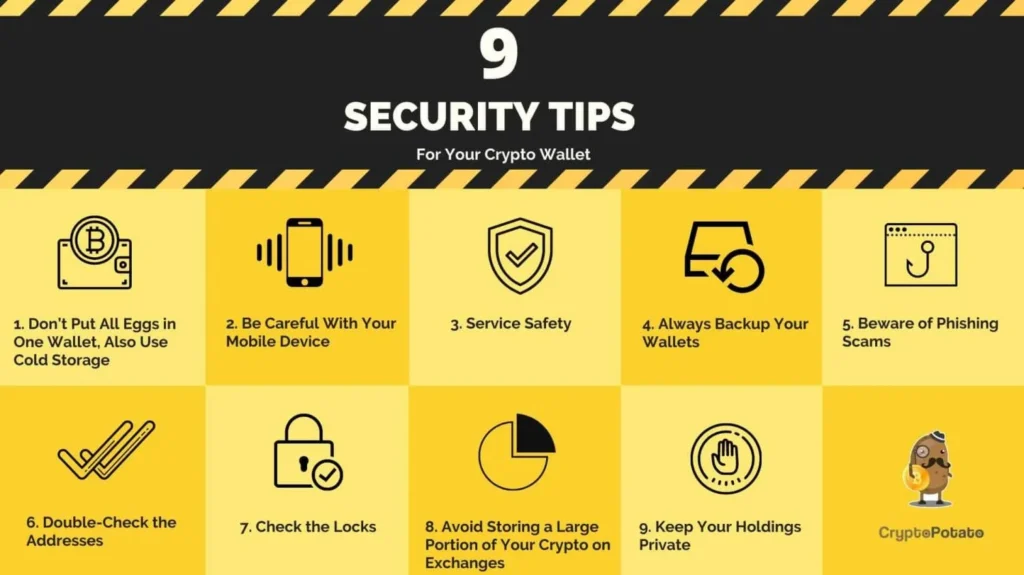
Your wallet is your crypto fortress—secure it right, and scams can’t touch you. Let’s walk through how to lock it down properly. For a comprehensive approach, I recommend reading our ultimate crypto exchange security guide which covers both exchange and wallet security in depth.

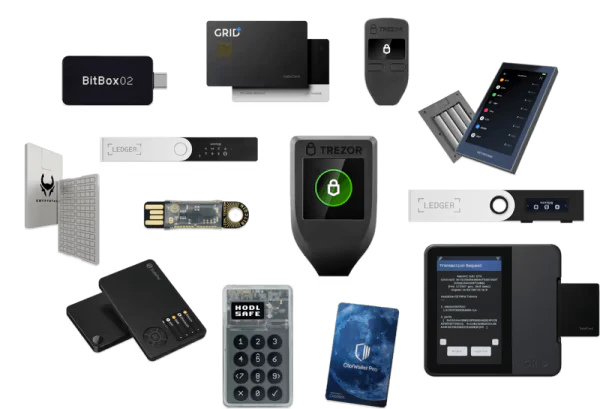
Start with hardware wallets like Ledger or Trezor. They’re offline, so hackers can’t reach them remotely. I use one for big holdings; it’s like comparing a safe to a piggy bank.

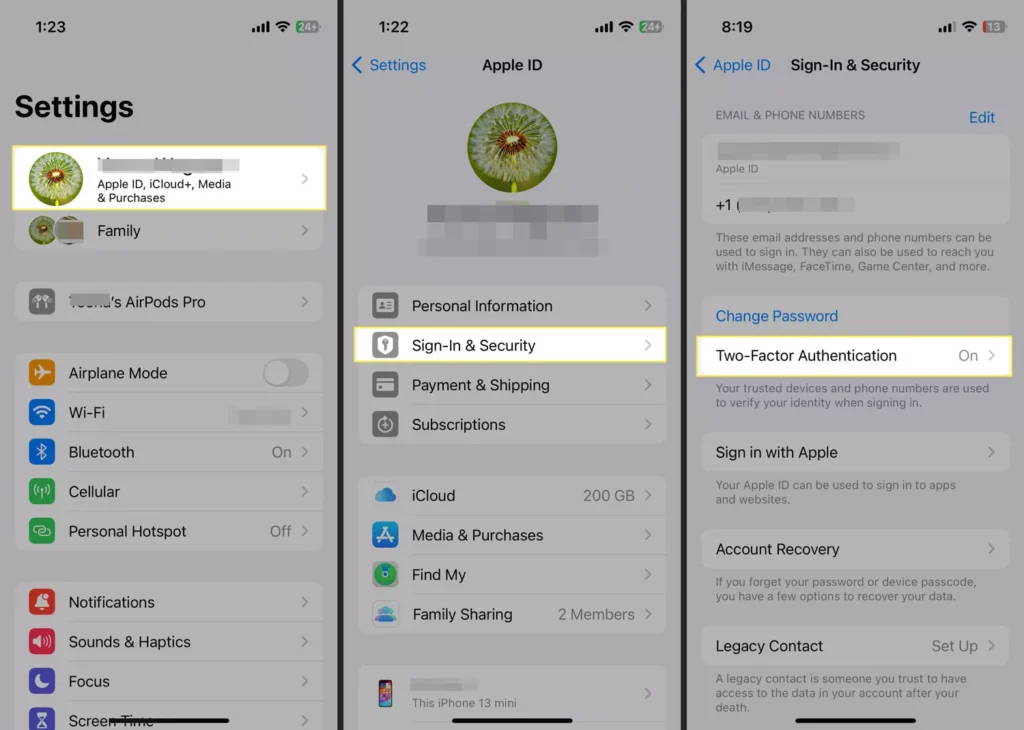
Enable 2FA everywhere. Not just email—use authenticator apps like Google Authenticator or Authy. Avoid SMS; it’s hackable through SIM-swapping attacks.

Never share private keys. That’s like giving away your bank PIN. Scammers phish for them constantly through fake support requests.

Secure bitcoin wallet / shutterstock.com

Use strong passwords: Mix letters, numbers, and symbols. A reputable password manager like 1Password or Bitwarden can help generate and store complex passwords securely.

Backup seeds securely: Write them down on paper, store offline in multiple secure locations. Don’t screenshot or store digitally!

For intermediates: Multisig wallets require multiple approvals for transactions, adding an extra layer of security that makes unauthorized access nearly impossible.

The benefits of secure wallets include peace of mind and protection from many types of hacks and account takeovers. The slight inconvenience is worth it when you consider the alternative.

Real example: In 2025, blockchain analytics showed that over $2.17 billion was stolen from cryptocurrency services in just the first part of the year, much of it through large exchange and service hacks. That’s a sobering reminder to minimize how much you keep on centralized platforms and to harden your own setup.

What if you’re a beginner? Start with Coinbase’s built-in wallet—it’s user-friendly and reasonably secure for small to medium amounts if you use strong security settings. If you’re specifically working with Ethereum, our Ethereum security guide provides ten essential rules to protect your assets.

A secure wallet turns potential losses into non-issues. Take the time to set it up properly today.

Warning: Fake wallet apps are common. Download only from official sites or verified app stores, and double-check the publisher before installing.

Verifying Legitimate Crypto Projects and Exchanges

Not all that glitters is gold—or Bitcoin. Here’s how to verify projects and platforms before investing a single dollar.

Research the team: Look for LinkedIn profiles, past projects, and track records. Anonymous teams? Skip it, unless you’re experienced and know how to evaluate anonymous projects properly. Check GitHub repositories to see if the project has active development.

Check the community: Join Discord, Reddit, and Telegram channels. Is there real, organic discussion or just bots and “gm” spam? Active, engaged communities are a good sign.

Look for audits: Use sites like CertiK or other reputable auditors for code reviews. No audit doesn’t always mean “scam,” but it raises the bar for your due diligence significantly.

Exchanges: Prefer well-regulated, reputable platforms and check their licenses and jurisdictions. Some large exchanges, like Binance or Coinbase, maintain insurance funds or other protections against certain types of losses, but that does not mean all customer funds are fully insured or guaranteed.

How To Spot Fake Crypto Apps? – YouTube / youtube.com

Analyze tokenomics: Is there fair distribution? Reasonable vesting schedules for team tokens? Locked liquidity on DEXes with transparent terms? Tools like DexTools can help you analyze token contracts and liquidity.

For beginners: Use data aggregator sites like CoinMarketCap or CoinGecko for basic stats—market cap, volume, exchange listings, and social media presence.

You might object that this process is time-consuming. Sure, but losing money hurts a lot more than spending an hour on research. I’ve vetted hundreds of projects over the years; it gets easier with practice.

If you’re particularly interested in NFT projects, the security principles are similar but with unique considerations. Our NFT security best practices guide covers comprehensive verification steps for NFT collections and marketplaces.

Verification separates winners from losers in crypto. Do your homework before putting money on the line.

Pro Tip: Follow trusted sources like Chainalysis or official FBI IC3 advisories for alerts on emerging scam patterns and compromised platforms.

What to Do If You’ve Fallen Victim to a Crypto Scam

It happens to the best of us. Don’t panic—but do act fast, because time matters in these situations.

Report to authorities: In the U.S., that means the FTC and the FBI’s IC3 portal. Other countries have similar cybercrime units. They track patterns and sometimes coordinate large recoveries across jurisdictions.

Contact your bank or exchange: Sometimes, if fiat payments or centralized exchanges were involved and you move quickly, funds can be frozen before withdrawal.

Be wary of “recovery services”: Many so-called crypto recovery firms are secondary scams that charge upfront fees and do nothing. Only work with law enforcement or verified legal and cybersecurity professionals.

Document everything: Take screenshots, save transaction hashes, emails, and chat logs. This evidence helps investigations and may be necessary for any potential legal action. Use block explorers like Etherscan or Blockchain.com to track your transaction history.

Learn from it: Update your security practices, change passwords across all accounts, and educate friends and family so they don’t get hit the same way.

Case study: In large schemes like PlusToken, investigators used blockchain tracing to follow stolen funds and help authorities seize significant amounts of the proceeds, even across borders—though many victims still did not recover everything they lost.

Reporting helps catch scammers and can contribute to future recoveries or restitution pools, even if your personal recovery is unlikely.

Recovery is tough, but taking fast, proper steps can mitigate damage and sometimes lead to partial recovery down the line.

Advanced Protection Tips for Intermediate Investors

For you intermediate investors who want to go deeper, here are some advanced tactics.

Use VPNs on public Wi-Fi to reduce some network-level risks and hide your IP address from potential attackers. Services like NordVPN or ProtonVPN offer solid protection.

Monitor on-chain activity with tools like Etherscan, Solscan, or similar block explorers for your chains of interest.

Diversify: Don’t go all-in on one project, platform, or blockchain. Spread risk across multiple investments.

Cold-store long-term holdings: Keep the majority offline while trading with a smaller “hot” stack for active use.

Set alerts for unusual wallet activity via portfolio trackers like Zapper and block explorer notifications so you know immediately if something moves.

Stay updated via security newsletters and crypto-crime reports from firms like Chainalysis and CipherTrace.

I personally use alerts for unusual wallet activity—if something moves when I didn’t touch it, I know immediately and can respond fast.

Advanced tools don’t replace the basics; they amplify your protection if you’re already doing the fundamentals right.

Tools and Resources to Stay Safe

Here are some essential tools and resources to keep you ahead of scammers:

Wallet and address scanners: Services like Etherscan’s Token Approval Checker flag known scam addresses before you send funds, potentially saving you from irreversible transactions.

Phishing checkers: Browser add-ons and security tools that warn about known bad domains before you visit them. The MetaMask wallet has built-in phishing detection.

Education hubs: Official resources from regulators like the FTC and SEC’s Investor.gov explaining current scam tactics as they emerge.

Communities: Subreddits like r/cryptocurrency and r/CryptoScams where users flag active scams in real time.

You’ll also find video resources on platforms like YouTube that walk through real examples of malicious apps and websites with visual demonstrations.

Leverage these tools and communities for ongoing safety. Staying informed is an active, continuous process, not a one-time task.

FAQ

What are the signs of a crypto scam?

Look for guaranteed returns, pressure to act fast, unsolicited offers, vague or anonymous teams, and requests to move money off a reputable platform “for safety” or “to avoid tax.” Multiple red flags together are a strong indicator.

How do crypto scams work?

Scammers use phishing, fake sites, bogus apps, or long-term relationship building to steal funds or sensitive information, often funneling everything into wallets and platforms they control before disappearing.

What is the most common crypto scam?

One of the most common and damaging types today is pig butchering—long-term relationship or “mentorship” scams that combine social engineering and fake investment platforms to extract maximum funds.

Can you get money back from crypto scams?

Sometimes, especially if banks or regulated platforms were involved and you report quickly, but recovery is still rare. Occasionally, law enforcement seizures lead to partial restitution for victims.

How to report a crypto scam?

In the U.S., use FTC.gov and IC3.gov. In other countries, report to your national cybercrime or consumer protection agency. Also inform any bank or exchange used in the transaction.

Are crypto ATMs safe?

They can be for legitimate use, but scammers increasingly abuse them. Data from law enforcement shows crypto ATM fraud losses of over $240 million in 2024, and 2025 is on track to meet or exceed that level. If anyone tells you to pay a fee, tax, or “verification deposit” via a crypto ATM, it’s a scam.

What is a rug pull in crypto?

A rug pull occurs when developers or insiders pump a token through marketing and hype, then suddenly dump their holdings or drain liquidity, abandoning the project and crashing the price to near zero.

How to avoid phishing in crypto?

Never click links from unsolicited messages. Type URLs manually into your browser, verify domains carefully, and use wallets and browsers that block known phishing sites automatically.

Is Bitcoin a scam?

No. Bitcoin itself is an open-source protocol and legitimate cryptocurrency. However, scammers often use Bitcoin and other legitimate assets as bait in their fraudulent schemes.

What are AI crypto scams?

Fraudsters use AI to generate deepfakes, fake influencer endorsements, realistic support chats, and convincing websites or bots to push fake projects or trick you into signing malicious transactions.

Conclusion

We’ve covered a lot—from spotting crypto scams to securing your setup properly. Remember, knowledge is power in this space. Stay vigilant, research thoroughly, and you’ll avoid most pitfalls that trap other investors.

Here are your next steps:

First, audit your current setup for weaknesses. Check passwords, 2FA settings, backup procedures, and review what’s on exchanges versus cold storage. Second, if you’re just starting out, open an account with a reputable, well-regulated exchange like Coinbase or Kraken and enable all security features before depositing anything. Third, educate a friend—scams thrive on ignorance, and helping others stay safe also reinforces your own good habits.

Disclaimer: This isn’t financial advice. Invest only what you can afford to lose, and always conduct your own research before making investment decisions.

Last Updated: December 08, 2025

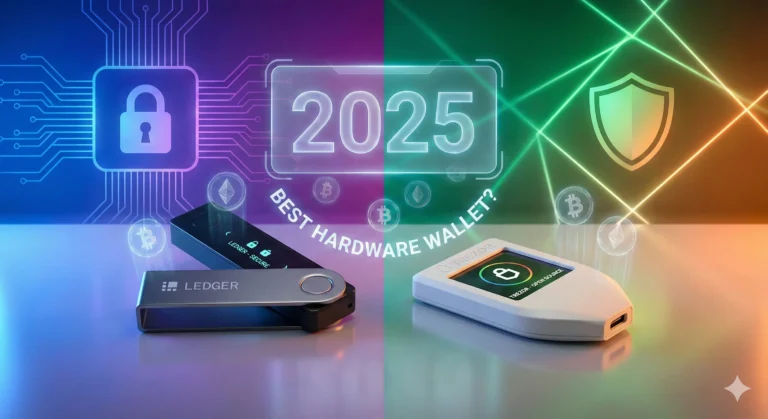
Ledger vs Trezor: Which Crypto Wallet Wins in 2025?

0

Ledger vs Trezor: Which Crypto Wallet Wins in 2025?

Ever lost your phone and panicked about all the stuff on it? Now imagine that with your crypto investments—yeah, that’s why a solid crypto wallet matters.

If you’re dipping your toes into cryptocurrencies or already holding some Bitcoin and Ethereum, you’ve probably heard about hardware wallets like Ledger and Trezor. These aren’t just fancy USB sticks; they’re your fortress against hackers and mishaps.

In this article, we’ll break down Ledger vs Trezor to help you pick the best crypto wallet for 2025. Whether you’re a complete beginner worried about security or an intermediate investor looking for better features, I’ve got you covered.

We’ll start with the basics of what a crypto wallet is, then dive into each brand’s strengths. Expect a head-to-head comparison, pros and cons, and even some personal stories from my years in the crypto space. By the end, you’ll know which one fits your needs—and I’ll throw in tips to get started safely.

Here’s a quick preview of what you’ll learn:

  • Why hardware wallets beat software ones for long-term storage
  • Key features of Ledger and Trezor models in 2025
  • A detailed comparison on security, ease of use, and supported coins
  • Real-world pros, cons, and user experiences
  • How to choose based on your budget and crypto goals
  • Answers to common questions from beginners

For a fast answer: In 2025, Trezor edges out for open-source fans on a budget. However, Ledger wins for broader coin support and advanced features. Let’s get into it.

What Is a Crypto Wallet and Why Go Hardware?

Let’s start simple. A crypto wallet is basically your digital bank account for cryptocurrencies.

It holds your private keys—the secret codes that let you access and spend your coins. Without it, you’re locked out. But here’s the deal: not all wallets are created equal.

Understanding Wallet Types

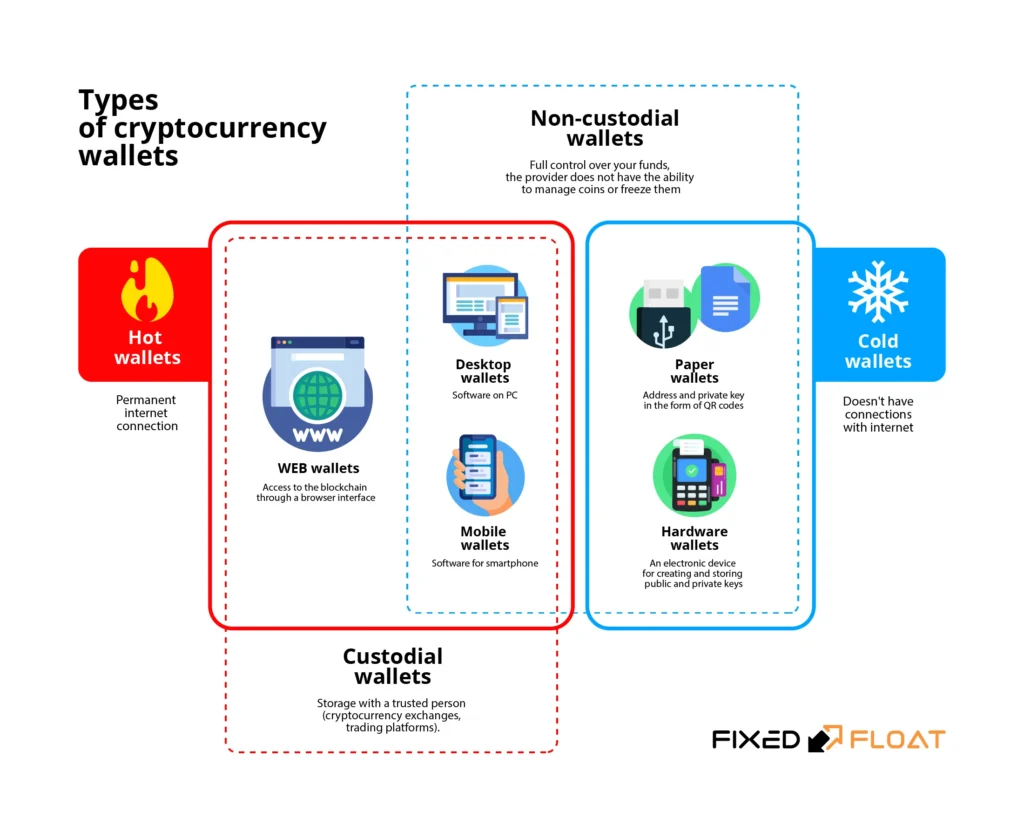
Software wallets, like those on your phone or computer, are convenient for quick trades. Think MetaMask or Trust Wallet—they’re free and easy.

However, they’re “hot” wallets, always online, which makes them hacker bait. Remember the 2022 Ronin Network hack? Over $600 million was drained from a bridge linked to Axie Infinity due to compromised keys and infrastructure vulnerabilities. Yikes.

The Hardware Wallet Advantage

That’s where hardware wallets shine. In contrast, these are physical devices, like Ledger or Trezor, that keep your keys offline in “cold” storage.

As a result, they’re tougher for cybercriminals to crack since they’d need the actual device. In 2025, with crypto adoption booming—nearly 24% of adults in surveyed countries globally now own some crypto, according to Gemini’s State of Crypto report—hardware is a must for anyone with more than a few hundred bucks in crypto.

Why Ledger and Trezor Stand Out

Why choose between Ledger and Trezor? Simply put, they’re the top dogs in hardware wallets, trusted by millions.

Ledger boasts fancy Secure Element chips. Meanwhile, Trezor prides itself on open-source transparency and, in its newer Safe line, auditable secure elements as well. Both support thousands of coins, but they differ in design, price, and extras.

To kick things off, check out this quick comparison table:

FeatureLedger Nano XTrezor Model T
Price~$149~$129
BluetoothYesNo
TouchscreenNoYes
Supported Coins5,500+1,000+
Open-SourcePartialFully
BatteryBuilt-inNone

Prices as of late 2025 from official stores; always check current pricing on the manufacturers’ sites.

This table shows Ledger’s edge in portability and coin variety. On the other hand, Trezor’s touchscreen might appeal to you if you hate buttons. I’ve used both, and trust me, that Bluetooth on Ledger makes mobile management a breeze.

Is Hardware Right for You?

But is hardware right for everyone? If you’re just testing with $50 in Bitcoin, maybe stick to a software crypto wallet first.

Starting small helps you learn without big risks. Nevertheless, once you scale up, hardware is non-negotiable. For more guidance on choosing the right wallet, check out our guide on why crypto wallets are essential over just using exchanges.

Additionally, if you’re curious about the differences between wallet types, our article comparing hardware vs software vs mobile Ethereum wallets provides excellent insights.

Pro Tip: Always buy hardware wallets directly from Ledger’s official store or Trezor’s official store, or through other officially listed partners. Counterfeit or tampered devices sold through random marketplaces have scammed people out of serious money—don’t be that statistic.

In short, hardware wallets like these protect your assets better than any app. Now, let’s look closer at Ledger.

Ledger Wallets: An Overview

Ledger has been around since 2014. By 2024, they had already sold over 7 million hardware devices worldwide, with a reputation for strong security and no known remote hacks of the wallets themselves. Consequently, the French-based company focuses on sleek, user-friendly hardware.

Ledger’s Product Lineup

The company’s flagship? The Ledger Nano X. However, don’t sleep on the more affordable Nano S Plus for budget folks or the premium Stax with its curved E-Ink touchscreen.

What sets Ledger apart is their Secure Element (SE) chip—think of it like the chip in your credit card, but for crypto. Furthermore, it’s certified to Common Criteria EAL5+ or higher, which means tamper-resistant protection. As a matter of fact, Ledger devices can manage over 5,500 cryptocurrencies and tokens, including major coins and NFTs, via the Ledger app ecosystem.

Setting Up Your Ledger

Setup is straightforward: plug it in, create a 24-word seed phrase (your backup), and you’re good. The Ledger app (previously known as Ledger Live) handles everything—buying, swapping, staking via integrated partners.

I remember my first Ledger in 2017. It felt like upgrading from a flip phone to a smartphone. Moreover, Bluetooth connectivity on the Nano X lets you manage on the go without cables.

The Recover Controversy

But it’s not all perfect. Unfortunately, Ledger faced backlash in 2023 over its optional Recover service. Some users saw it as a privacy risk because it involved sharding an encrypted recovery phrase with custodial partners. Nevertheless, the company has since reworked communication and controls around it. Still, this controversy highlights the ongoing open vs closed-source debate.

Ledger Pricing

Prices typically start around $79 for the Nano S Plus and go up to roughly $399 for the Stax, depending on region and promo. Worth it? If you value polish and broad support, absolutely.

Wrapping this up: Ledger feels premium, like driving a Tesla in the crypto wallet world. Next, Trezor’s turn.

Trezor Wallets: An Overview

Trezor, from Czech company SatoshiLabs, launched the first widely available hardware wallet in 2014. By 2025, they’re still champions of open-source philosophy—firmware, tooling, and, in newer lines, even the secure element architecture are designed to be auditable. The company’s latest flagship is the Trezor Safe 7. Meanwhile, the classic Model T remains a bestseller with its color touchscreen.

Trezor’s Evolution: From Open-Source to Secure Elements

Earlier generations like the Model One and Model T relied on open-source firmware and the host device’s security. Importantly, these models didn’t use a traditional closed Secure Element chip.

In contrast, newer Safe-series devices (Safe 3, Safe 5, and Safe 7) now add audited secure elements. The hardware includes the transparent TROPIC01 chip and an additional EAL6+ secure element in the Safe 7. Furthermore, the design keeps the stack verifiable and open to inspection.

Trezor supports thousands of coins and tokens across major networks. As a result, the company focuses on majors like BTC, ETH and a wide range of altcoins via integrations with third-party wallets.

Setting Up Your Trezor

Setup is similar: generate a seed, verify it, connect to the Trezor Suite app. On older models, there’s no Bluetooth; instead, you connect via USB-C. Additionally, the Model T’s touchscreen makes navigation intuitive. On the newer Safe 7, you get both a high-resolution touchscreen and wireless connectivity (Bluetooth plus battery). Therefore, you’re no longer tied to a cable.

I tried a Trezor during the 2021 bull run. The open-source vibe gave me peace of mind, like knowing exactly what’s in your food.

Security Incidents and Lessons

Overall, Trezor has had fewer brand controversies. However, a notable phishing incident occurred in 2022 after Mailchimp, a third-party email provider, was compromised. Attackers sent fake Trezor emails trying to steal recovery seeds. Importantly, it wasn’t a breach of Trezor devices themselves. Nevertheless, the incident served as a sharp reminder to double-check sender addresses and never type a seed phrase into a website.

Trezor Pricing

For pricing, older models like the Model One often sit around $49. In the mid-range, the Model T is priced at about $129. Meanwhile, the newer Safe 7 is at about $249 on preorder. Promotions and regional pricing can shift those numbers.

Bottom line: Trezor is like that reliable old friend—simple, trustworthy, and increasingly polished with the new Safe line.

Ledger vs Trezor: Feature Comparison

Time for the main event. Let’s pit these crypto wallets head-to-head across several key dimensions.

Design and Build Quality

Ledger devices are compact, with a metal swivel cover on models like the Nano X and Nano S Plus. In terms of design, the Stax has a minimalist slab-like design. Generally, these devices mostly use a small screen plus buttons (except Stax, which is full touchscreen). The Nano X and newer signers include Bluetooth.

Trezor’s older devices (Model One and Model T) are a bit bulkier with plastic shells. However, the Model T’s color touchscreen feels modern. In addition, the Safe 7 takes that further with a large high-res color touchscreen, haptic feedback and an aluminum body.

Connectivity Options

If you’re always on mobile, Ledger Nano X and the newer wireless Ledger signers make life easy. With Trezor, the newer Safe 7 also offers fully wireless connectivity. In contrast, the older models remain USB-only and are better suited to desk setups.

Battery Life and Portability

Ledger Nano X has a built-in battery lasting for days on light use. Similarly, Stax and newer signers also have rechargeable batteries. On the other hand, older Trezor devices like Model One and Model T have no internal battery and must stay plugged in. By comparison, the Safe 7 adds a built-in battery designed for longer-term portable use.

Apps and Integrations

Both brands have desktop/mobile companion apps. Ledger’s app feels more polished, with built-in flows for buying, swapping, and staking through partners. Trezor Suite is clean and increasingly feature-rich. Additionally, Trezor plays nicely with many Web3 dApps via integrations and WalletConnect. The Safe 7 is marketed as working with tens of thousands of dApps.

For heavy DeFi users, Ledger’s long-established dApp ecosystem and integrations are a big plus. Nevertheless, Trezor’s Safe 7 has narrowed that gap a lot. If you’re interested in exploring different wallet options, see our top crypto wallets for 2025.

Durability

Both brands offer sturdy devices. Ledger’s metal-feel designs give a premium impression. In comparison, Trezor’s Safe line moves to more robust materials such as aluminum bodies and Gorilla Glass. These are compared to the simpler plastic casing on older devices.

This comparison shows no clear “one-size-fits-all” winner; ultimately, it depends on your priorities.

Security Showdown: Which Is Safer?

Security is why we buy hardware wallets, right? Both keep keys offline, but their approaches differ significantly.

Ledger’s Security Approach

Ledger’s Secure Element hides private keys in a fortified chip, resistant to a wide range of physical attacks. The firmware and some parts of the stack are closed-source. Some argue this is a “black box.” However, the Secure Element is certified under rigorous standards and used in high-security products like payment cards and passports. Importantly, there is no confirmed case of a remote attacker extracting keys from a properly used Ledger device.

Trezor’s Security Philosophy

Trezor has historically leaned on fully open-source firmware, transparent design, and strong PIN/passphrase protection. Older devices like the Model One and Model T don’t use a traditional proprietary Secure Element. Instead, these models rely on a general-purpose microcontroller and physical access defenses. Newer Safe 5 and Safe 7 models combine that transparency with dedicated secure elements. For example, they include the auditable TROPIC01 chip and an additional EAL6+ secure element in the Safe 7. Furthermore, they also feature a “quantum-ready” architecture for future post-quantum firmware verification.

Past Security Incidents

Ledger suffered a customer data breach in 2020. Emails and contact info from their e-commerce database were leaked. However, wallet seed phrases and private keys stored on devices were not exposed. You can read more about their security practices on Ledger’s security page.

Trezor wasn’t breached directly. Nevertheless, users were targeted in a 2022 phishing campaign after Mailchimp was hacked. Such attacks led to realistic fake Trezor emails that tricked some people into revealing seeds. Trezor’s blog covers their security approach in detail.

Security Comparison: Two Different Philosophies

Analogy time: Ledger is like a bank vault built with proprietary locks that external labs stress-test. Meanwhile, Trezor is an auditable vault where the community can inspect much more of the design. In newer models, even the secure element behavior is designed to be transparent.

Enhancing Security with Passphrases

Pro Tip: Add a passphrase (sometimes called a “25th word”) for extra security. It’s like a hidden second wallet that only you know exists. Both Ledger and Trezor support this feature. For more security tips, check our Ethereum security guide.

Additionally, if you’re looking for comprehensive security tools, our guide to essential Ethereum tools every user must know covers wallet security and more.

Security Bottom Line

Key takeaway: both are vastly safer than leaving funds in hot wallets. Your choice comes down to how much you value open-source transparency versus certified secure elements and integrated features. It also depends on whether you pick older or newer models within each brand.

Ease of Use and Setup

Nobody wants a crypto wallet that’s a headache to use. Let’s talk usability and how each brand approaches the user experience.

Ledger Setup Process

Download the Ledger app. Connect the device via USB or Bluetooth (for Nano X / Stax). Write down your seed phrase, confirm it, set a PIN, and install apps for the coins you want. It usually takes about 10–15 minutes. The interface is intuitive, and there are step-by-step guides baked in. Bluetooth pairing can occasionally be finicky on some phones. Nevertheless, once connected, daily use is smooth.

Trezor Setup Process

On a Model One or Model T, you plug in via USB-C. Generate and confirm the seed, then use the Trezor Suite app. Additionally, the Model T’s touchscreen makes entering a PIN and confirming addresses pretty pleasant. On the newer Safe 7, you get wireless pairing plus a big touchscreen. Therefore, the flow feels closer to a modern gadget than a “nerdy” device.

Beginner-Friendly Features

For beginners, both are accessible. Ledger’s mobile-first design historically made it easier for on-the-go users. Meanwhile, Trezor’s newer Safe 7 brings its experience up to par for people who prefer a large color touchscreen and wireless use.

If you’re new to crypto wallets, our beginner’s guide to crypto wallets can help you understand the basics before choosing hardware.

What If You Lose Your Device?

Objection: “What if I lose it?”

Both ecosystems let you recover with your seed phrase on a new device. In fact, you can even use a different model from the same brand.

Warning: Store your seed offline, ideally in a durable backup (stainless-steel plates, etc.). Paper burns and ink fades.

Mini-conclusion: setup is beginner-friendly on both sides. Day-to-day use comes down to whether you prefer Ledger’s app-centric approach or Trezor’s combination of Suite + third-party integrations. On Safe 7, you get a more phone-like UX.

Supported Cryptocurrencies and Apps

Variety matters in crypto, especially as portfolios diversify.

Ledger’s Extensive Crypto Support

Ledger can manage over 5,500 coins and tokens via its app ecosystem and compatible third-party wallets. Between the app and external integrations, you can store everything. This includes Bitcoin and Ethereum. Moreover, it also covers obscure ERC-20s, Solana tokens, and plenty of NFTs.

Trezor’s Growing Crypto Ecosystem

Trezor supports “thousands of coins and tokens” across major networks. Major cryptocurrencies include Bitcoin, Ethereum, Solana, Base, Arbitrum, Cardano and more. Most support comes via integrated or external wallets. While the raw count may be lower than Ledger’s, it covers most mainstream assets and many popular DeFi tokens.

When Each Wallet Excels

If you’re deep into NFTs or long-tail DeFi chains, Ledger’s asset coverage and dApp integrations still generally have the edge. This is especially true for people juggling lots of smaller altcoins.

Personal take: As someone who’s held everything from DOGE to SOL, Ledger’s broader third-party support has saved me some annoying token transfers. On the other hand, if your portfolio is mostly BTC, ETH and a handful of majors, Trezor’s coin support is more than enough.

Getting Started with Crypto

If you’re ready to diversify, you can start by buying crypto on a reputable exchange like Coinbase or Binance. Once you’ve made your purchase, move funds into whichever hardware wallet you choose. For detailed instructions on purchasing Ethereum safely, check our comprehensive guide on how to buy Ethereum safely in 2025.

End note: Ledger for explorers who love breadth and integrations. Meanwhile, Trezor for purists and security-maxis who still want solid coverage. With Safe 7, you get growing Web3 connectivity.

Pricing and Value for Money

Budget time. Let’s break down what you’re actually paying for and which device offers the best value for your specific needs.

Current Pricing Overview

Approximate retail prices from official stores as of late 2025:

Ledger Nano S Plus starts at around $79, while the Nano X sits at approximately $149. For premium users, the Stax comes in at roughly $399.

On Trezor’s side, the Model One often costs around $49 (before discounts), with the Model T priced at about $129. Meanwhile, the newer Safe 7 is available on preorder for approximately $249.

Value Analysis by Price Point

Value? Trezor offers a very low entry point with the Model One if you mainly want simple Bitcoin/major-coin cold storage. The Model T and Safe 5/7 step that up with touchscreens. In the Safe line, you get secure elements and more modern UX. Ledger’s devices cost more at the top end. However, you’re paying for a highly integrated app ecosystem, premium materials and, on Stax, that curved E-Ink display and wireless charging.

Real-World Case Studies

Case study: A beginner I know picked up a Trezor Model One at entry-level pricing. He loaded it with about $5,000 in BTC and never needed more fancy features. For him, it was perfect. Another friend juggling 30+ altcoins and NFTs found the Nano X more convenient despite the higher cost. Ultimately, your needs determine the best value.

Money-Saving Tips

Pro Tip: Watch for official Black Friday and seasonal sales from both brands. Discounts of 20–40% on certain models aren’t unusual.

Don’t forget: this isn’t investment advice. Crypto is volatile, and hardware is just the vault, not the asset.

Pros and Cons: Real Talk

Here’s the quick reality check, broken down by brand.

Ledger Advantages and Disadvantages

Ledger Pros:

  • Bluetooth mobility on Nano X and newer signers
  • Massive coin and token support
  • Polished, all-in-one app experience
  • Premium build quality (especially Stax and newer devices)

Ledger Cons:

  • Partially closed-source stack
  • Top models (like Stax) are expensive
  • Past controversy around the Recover feature hurt trust for some users

Trezor Advantages and Disadvantages

Trezor Pros:

  • Strong open-source and transparency culture
  • Touchscreen ease on Model T, Safe 5 and Safe 7
  • Very affordable entry via Model One
  • New Safe line adds secure elements and quantum-ready architecture while staying auditable

Trezor Cons:

  • Older models lack Bluetooth and internal batteries (USB-only)
  • Historically supported fewer long-tail coins than Ledger
  • Ecosystem leans more on third-party wallets for some Web3 use cases

I’ve switched between them; both rock. Nevertheless, your choice should match how you actually use crypto, not just which logo looks cooler.

Which Crypto Wallet Should You Choose in 2025?

It boils down to your needs. Let me help you decide based on different user profiles.

Recommendations by User Type

Beginner with a simple BTC/ETH stack and tight budget?
Trezor Model One is a great low-cost starting point.

Beginner who wants a touchscreen and more intuitive UX?
Trezor Model T or Safe 5/7 give you that “mini-phone” feel.

Intermediate user with a diverse altcoin portfolio, NFTs, and DeFi activity?
Ledger Nano X or Stax still feel like the more versatile choice in 2025.

My Final Verdict for 2025

My opinion: For 2025’s bullish, highly experimental market, Ledger’s versatility and ecosystem make it the default recommendation for many active users. Meanwhile, Trezor’s Safe line is becoming the go-to for people who prioritize open, auditable security. Such users don’t mind using third-party wallets where needed.

Ready to Get Started?

Ready to buy crypto? You can start with a regulated exchange like Binance for low fees and high liquidity. After that, move your assets into cold storage.

For more crypto security tips, check out resources from CoinDesk, Cointelegraph, and the official documentation from Ethereum.org. Additionally, you can learn about setting up MetaMask safely as a complement to your hardware wallet.

Last Updated: November 25, 2025

FAQ

What is the safest crypto wallet?
Hardware wallets like Ledger and Trezor are among the safest options. Specifically, they keep your private keys offline and require physical confirmation for transactions.

Is it safe to share my wallet address?
Yes. Public addresses are meant to be shared, like your email. However, just never share your seed phrase or private keys.

What happens if I lose my hardware wallet?
As long as you still have your seed phrase (and passphrase, if you use one), you can recover funds. You can use a new device from the same brand—or even a compatible alternative.

How do I avoid crypto wallet scams?
Buy only from official sites or authorized resellers. Additionally, bookmark the correct URLs, enable phishing protection in your browser. Never type a seed phrase into a website or send it to anyone.

Which is better for beginners, Ledger or Trezor?
Both work well for newcomers. Trezor Model One is hard to beat on price. Meanwhile, Ledger Nano X is excellent for beginners who want strong mobile support from day one.

Does Ledger support more coins than Trezor?
Yes. Ledger currently supports over 5,500 assets when you include partner integrations. In contrast, Trezor supports thousands but generally fewer long-tail tokens.

Can I use these with mobile?
Ledger Nano X and newer signers connect via Bluetooth to mobile. Similarly, Trezor Safe 7 also offers wireless connectivity. However, older Trezors (Model One and Model T) use a USB cable and compatible apps.

What’s the difference in security?
Ledger uses closed but certified Secure Element chips and a proprietary OS. In contrast, Trezor emphasizes open-source firmware. With the Safe line, the company uses transparent secure elements and a quantum-ready design. Overall, both keep keys offline and are considered highly secure when used correctly.

How much do they cost?
Expect roughly $49–$249 for Trezor models and $79–$399 for Ledger devices. Prices depend on model and promotions.

Are hardware wallets worth it?
For holdings over about $1,000, a hardware wallet is usually a very reasonable insurance policy. It protects against exchange hacks, malware and self-inflicted hot-wallet disasters.

Conclusion

Wrapping up, Ledger and Trezor are both excellent crypto wallets for 2025. Ledger still takes the crown for most active, multi-chain users with its wide asset support and polished app ecosystem. Meanwhile, Trezor shines for open-source lovers and security-first users. The Safe 7 combines wireless convenience and verifiable secure elements.

Remember, the best wallet is the one you actually set up properly and use securely.

Your Next Steps

Here’s what to do next: decide what you need (budget, coins, mobile vs desktop). Purchase from official sites only, set everything up carefully, and test with a small amount first. Consider starting small—maybe buy some ETH or BTC on Coinbase or Binance. After purchasing, send it to your hardware wallet and get comfortable with the process.

When you’re serious about crypto security, explore multiple exchanges and learn basic security hygiene from resources like Ledger Academy and Trezor’s Wiki. Treat your seed phrase like the keys to your house and bank account combined.

This isn’t financial advice; do your research, manage your risk—and happy hodling!

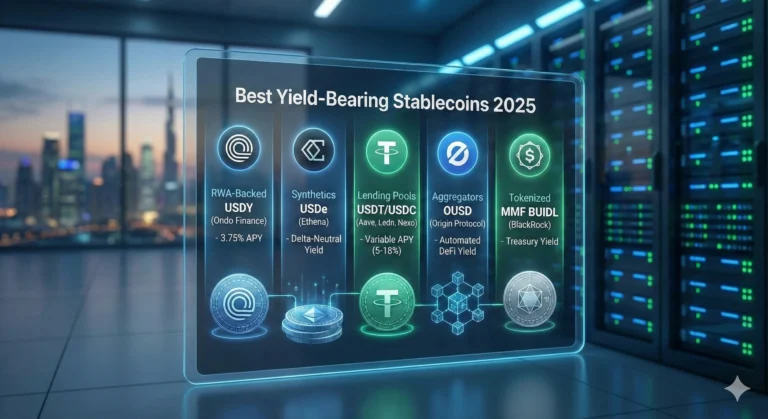
Best Stablecoins for Yield Farming in 2025: Earn Passive Income the Smart Way

Ever wondered how you can make your money work harder in crypto without riding the Bitcoin rollercoaster?

If you’re like most folks dipping their toes into crypto, you’ve probably heard about yield farming but figured it’s too complicated or risky. Here’s the deal: yield farming with stablecoins changes that game entirely. These digital dollars stay steady at around $1, letting you earn interest – sometimes double-digit APYs – while sleeping soundly at night. I’ve been writing about crypto for over a decade, and trust me, stablecoin yield farming has been my go-to for consistent passive income, especially in volatile markets like we’ve seen lately.

In this article, we’ll break it all down simply. You’ll learn what yield farming really means, the best stablecoins to use in 2025, top protocols for juicy yields, and how to get started without losing your shirt. We’ll cover risks head-on, share pro tips from my experience, and even throw in some real-world examples. By the end, you’ll have a clear plan to start earning yield on your stablecoins.

Here’s a quick preview of what you’ll learn:

The basics of yield farming and why stablecoins are perfect for beginners.

A comparison of top stablecoins like USDC, USDT, and DAI, with current APYs.

Step-by-step guides to popular protocols.

Common pitfalls and how to avoid them.

Future trends that could boost your returns in 2025.

Let’s dive in and turn your idle crypto into a money-making machine.

What Is Yield Farming and Why Stablecoins?

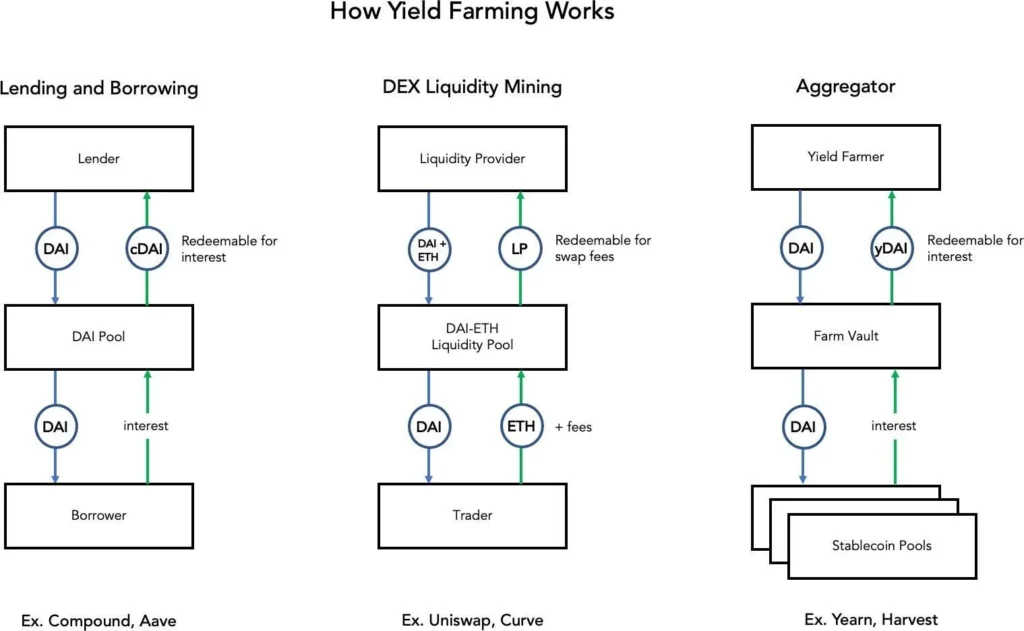
Yield farming? It sounds fancy, but it’s basically like putting your money in a high-interest savings account – on steroids, and powered by blockchain. You lend or provide liquidity with your crypto, and in return, you earn rewards, often in the form of interest or extra tokens. Think of it as being the bank yourself in the DeFi world. However, unlike traditional banks with their measly 0.5% rates, yield farming can net you 5–15% APY or more, depending on the setup.

Now, why stablecoins for yield farming? Simple: stability. Coins like Bitcoin can swing 10% in a day, but stablecoins like USDC or USDT are pegged to the dollar, so your principal stays safe from wild price drops. It’s like farming crops in a greenhouse instead of out in a storm – you get the yields without the weather risks. In my experience, when I first started yield farming back in 2020, I lost sleep over volatile pairs. Switching to stablecoins? Game-changer. It let me focus on the rewards, not the charts.

But here’s the thing: not all stablecoins are created equal. Some are backed by real cash reserves, others by algorithms or crypto collateral. For beginners, stick to the big ones – they’re audited and battle-tested. According to CoinGecko’s stablecoin research, the most liquid and reliable stablecoins consistently maintain their peg through various market conditions. If you want a detailed breakdown, our guide on stablecoins in 2025: DAI, USDC, USDT compared covers everything you need to know about choosing the right one.

Yield farming with stablecoins isn’t just for pros; even intermediates can jump in with $100 and see results. In 2025, with DeFi maturing, we’re seeing stablecoin APYs on mainstream platforms stabilize mostly in the mid-single digits (roughly 3–8%), with higher-risk or promotional strategies sometimes pushing into low double digits. For a comprehensive understanding of the mechanics, check out our complete guide to yield farming on Ethereum.

Let me explain with an analogy. Imagine your stablecoins as parked cars in a garage. Yield farming is like renting out spaces in that garage – you earn fees from people using it, without selling your cars. Easy, right? And with tools like DeFi aggregators, it’s gotten simpler over the years.

One pro tip here: Always check the protocol’s TVL (Total Value Locked). Higher TVL means more security and liquidity. For instance, platforms with billions locked in are generally less likely to rug pull than tiny, brand-new farms.

That wraps up the basics. Now, let’s look at the stars of the show – the best stablecoins for yield farming this year.

Top Stablecoins for Yield Farming in 2025

Alright, let’s get to the meat: which stablecoins should you use for yield farming in 2025? I’ve tested dozens over the years, and these three stand out for their reliability, liquidity, and yield potential. We’ll focus on USDC, USDT, and DAI – the holy trinity – but I’ll touch on emerging ones too.

USDC (USD Coin)

First up, USDC. Issued by Circle, it’s fully backed by cash and treasuries, making it super trustworthy. In 2025, USDC yields are hovering around roughly 3–6% on major DeFi lending platforms like Aave and Compound, and can be higher on certain CeFi platforms or during promotional periods. Why? High demand for lending. Pros: Transparent audits, easy to swap. Cons: Sometimes lower yields than riskier options. I remember parking $5,000 in USDC on Aave last year – it earned me about $300 in interest without a hitch.

Circle publishes monthly attestation reports showing their reserve composition, which adds an extra layer of transparency that institutional investors particularly appreciate. This backing makes USDC one of the most regulated stablecoins in the space. For an in-depth comparison of how USDC stacks up against other options, read our analysis of stablecoins on Ethereum: USDT vs USDC vs DAI.

USDT (Tether)

Next, USDT from Tether. It’s the most liquid stablecoin out there, with trillions in trading volume. Yields? Depending on platform and product, you can see anything from a few percent on more conservative flexible products to low-double-digit promotional rates (around 10–14%) on spots like Nexo or Bybit when you lock tokens or accept extra conditions. Pros: Everywhere in DeFi, great for quick moves. Cons: Past transparency issues, but they’ve improved. In my book, USDT’s ubiquity makes it a staple for yield farming – like the Swiss Army knife of stablecoins.

Despite historical controversies, USDT remains dominant due to its deep liquidity across countless trading pairs and DeFi protocols. According to CoinMarketCap’s stablecoin rankings, USDT consistently maintains the highest trading volumes globally. For more details on how stablecoins maintain their peg, check out our comprehensive guide on how do stablecoins maintain their peg.

DAI

Then there’s DAI, MakerDAO’s decentralized darling. Overcollateralized with crypto, it’s yield farming gold. In some markets, especially on protocols like Spark, yields on DAI or closely related stablecoins can briefly spike into low double digits, though more typical ranges are closer to mid-single digits. Pros: No central issuer, resistant to censorship. Cons: Peg can wobble in extreme markets. A real example: During the 2022 crash, DAI held steady while others flinched, letting farmers keep earning.

DAI’s decentralized nature comes from its overcollateralization model, where users lock up crypto assets worth more than the DAI they mint. This mechanism is managed through MakerDAO’s governance system, making it truly community-controlled. The protocol has been battle-tested through multiple market cycles, as detailed in MakerDAO’s transparency reports.

Yield-Bearing and Newer Stablecoins

Emerging players? Check USDY from Ondo Finance (around 4–6% from treasuries) or USDe from Ethena (historically ranging from mid-single to low-double-digit yields via hedging strategies, but highly variable and dependent on market funding rates). These yield-bearing stablecoins bake in returns automatically – no extra steps needed.

Pro Tip: For beginners, start with USDC on a CeFi platform like Coinbase. It’s regulated and user-friendly, easing you into yield farming before going full DeFi.

Overall, these stablecoins dominate because they’re versatile. Mix them in pools for balanced yields. But remember, yields fluctuate – check DeFiLlama or similar dashboards regularly.

Best DeFi Protocols for Stablecoin Yields

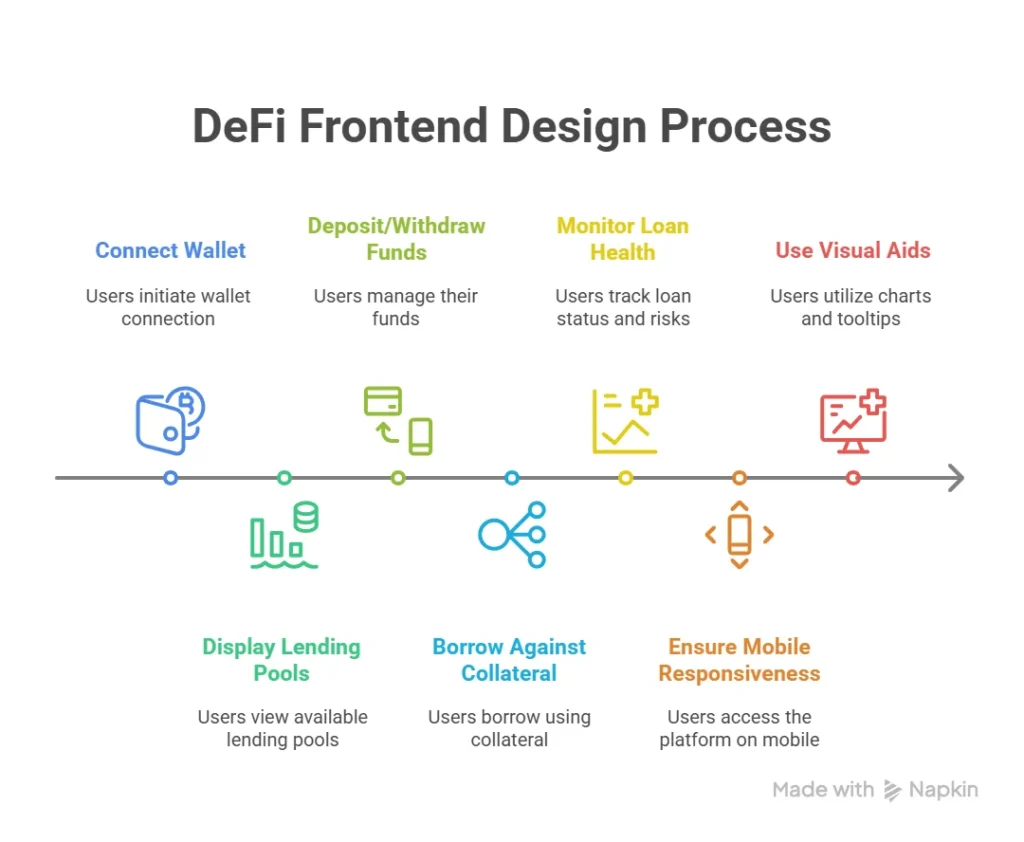
How to Build a DeFi Lending Platform Like Aave? Step-by-Step Guide / medium.com

Now that you’ve got your stablecoins, where do you farm them? In 2025, the protocol landscape is buzzing with options. I’ll highlight the top ones based on my trials and current data. For a comprehensive overview of the best platforms, see our guide to DeFi 2025: top 10 protocols across all chains.

Aave

Aave tops my list. It’s the OG lending protocol with around $40B in TVL across markets in 2025. Supply USDC or USDT, earn roughly 4–7% variable APY depending on the market and utilization. Why love it? Flash loans, multi-chain support. I once looped yields here for compounded gains – turned 5% into about 6.5% effectively.

Aave pioneered many DeFi lending innovations and operates across multiple chains including Ethereum, Polygon, Arbitrum, and Optimism. Their governance forum is highly active, constantly optimizing parameters for better yields and security. For a step-by-step walkthrough, check our detailed tutorial on Aave lending on Ethereum: how to earn interest with your crypto.

Compound

Compound is another solid pick. Similar to Aave, but with governance tokens (COMP) as bonuses. Yields for DAI can be in the mid-single digits on base APY, with total returns reaching higher single digits when you factor in COMP incentives in certain markets. Pros: Battle-tested since 2018. Cons: Higher gas fees on Ethereum.

The Compound protocol has processed billions in transactions without major hacks, establishing it as one of the most trusted lending platforms in DeFi. According to Compound’s transparency dashboard, the protocol maintains robust security practices and regular audits. Learn more about DeFi lending platforms on our dedicated comparison page.

Curve Finance

Curve Finance excels at stablecoin swaps. Provide liquidity to USDC/USDT pools, snag roughly 5–15% from fees and CRV rewards in many periods, with some niche pools occasionally going higher. It’s like a specialized exchange – low slippage means steady yields. Case study: In 2024, Curve farmers averaged around 8% on major stable pools during bull runs.

Curve’s innovative StableSwap algorithm is specifically designed for stablecoin trading, minimizing slippage and impermanent loss compared to traditional AMMs like Uniswap. The platform’s documentation provides detailed explanations of their bonding curves and pool mechanics.

Pendle

Pendle is for fixed or forward yields. Tokenize future yields on assets like USDe or sDAI and lock in returns that can reach low-double-digit APYs when markets are favorable. Advanced, but worth it for predictability if you know what you’re doing.

Pendle’s unique approach lets you separate yield from principal, enabling sophisticated strategies like yield trading and hedging that weren’t possible in traditional DeFi. Their analytics dashboard shows real-time yields across various assets and chains.

Balancer and Uniswap

Balancer and Uniswap for LP farming – certain stablecoin-heavy or incentivized pools can show 12–17% on paper, but you must always consider impermanent loss and reward token volatility.

Warning: Avoid new protocols with sky-high APYs (30%+) unless you deeply understand the risk. Those yields are often unsustainable and have historically been associated with schemes that later blew up.

These protocols offer the best mix of safety and returns. Start small, diversify.

Comparing Yields: A Handy Table

To make this easy, here’s a quick comparison table of top stablecoins and their typical 2025 yield ranges across major platforms. (Data as of late 2025; always verify live.)

StablecoinTop Example Protocol / PlatformTypical APY Range (2025)ProsCons
USDCAave, Coinbase~3–6% on major platforms, sometimes higher in promosHigh liquidity, transparent reservesOften lower APY than riskier options
USDTNexo, Bybit, Binance~4–10%, with some promos pushing into low teensUbiquitous, flexible productsOngoing concerns about reserves for some users
DAISpark, Aave, OKX/Bybit~3–8%, with occasional spikes into low double digits in incentivized poolsDecentralized, MakerDAO-backedCollateral and peg risks in stress events
USDYOndo~4–6% from Treasuries and depositsTreasury-backed exposure, tokenized RWALower upside; jurisdiction limits for some users
USDeEthena~4–10% depending on funding; can be higher at times but very variableHedged yield model, attractive when perp funding is richComplex, derivative risk and dependence on market conditions

This table shows USDC for safety and simplicity, and DAI/USDe for potentially higher yields with extra risk. Real example: A friend farmed USDT on Bybit at around 8% – earned roughly $800 on $10K in a year, before fees and taxes.

Key takeaway: Match your risk tolerance to the stablecoin and platform.

Risks in Stablecoin Yield Farming (And How to Dodge Them)

Top 5 DeFi Liquidity Red Flags Beginners Must Spot / blog.bitunix.com

Yield farming isn’t risk-free – I’ve learned that the hard way. Smart contract bugs? They happen. In 2022, a hack wiped out millions on a lesser protocol. Solution: Stick to audited ones like Aave, Compound, or well-reviewed newer platforms. Always check DeFi Safety ratings before depositing funds.

Peg breaks: Rare, but USDT and even other “safe” stablecoins have briefly traded below $1 during market stress. The depeg of UST in 2022 serves as a stark reminder of algorithmic stablecoin risks. Mitigate by diversifying stablecoins and not chasing only the highest APY. For a comprehensive risk assessment, our article on yield farming on Ethereum covers all the potential pitfalls.

Impermanent loss in LPs: Like selling low, buying high automatically. Avoid that by using stable-only pools or products that minimize price divergence. For a deeper dive, read our article on understanding impermanent loss.

Regulatory risks in 2025? Governments are eyeing DeFi harder than ever. Some regions restrict access to certain platforms or products. The SEC’s ongoing scrutiny of DeFi protocols means you should pay attention to your local regulations and stay informed so you don’t accidentally break the rules. CoinTelegraph’s regulatory updates provide regular coverage of the evolving legal landscape.

Important: This isn’t financial advice. Crypto can lose value – only invest what you can afford to lose.

Address objections: “Is it too complicated?” It can look that way at first, but wallets like MetaMask, Rabby, and user-friendly CeFi platforms significantly lower the barrier.

Mini-conclusion: Risks exist, but with homework, stablecoin yield farming is generally less volatile than aggressive spot trading of altcoins.

Step-by-Step Guide: Starting Yield Farming Today

Crypto Basics: What Is Yield Farming? / medium.com

Ready to roll? Here’s how, step by step.

Get a wallet: Install MetaMask or Rabby. Both offer comprehensive setup guides for beginners.

Fund with stablecoins: Buy USDC/USDT/DAI via Coinbase, Binance, or another exchange, then send to your wallet.

Choose a protocol: Start with a blue-chip like Aave on Ethereum or a cheaper L2 like Base or Arbitrum. Our Aave lending guide walks you through the entire process.

Connect wallet & supply stablecoins:

  • Go to the dApp
  • Connect your wallet
  • Click “Supply” or “Deposit,” choose your stablecoin, approve, then confirm the transaction

Earn yields: Once supplied, you start accruing interest. You can withdraw anytime, subject to liquidity.

Example: Deposit $1,000 USDC on Compound, earn roughly $50/year at 5% – more or less, depending on the live APY.

Pro Tip: Use gas optimizers like Layer 2 chains (Base, Arbitrum, Optimism) to cut transaction fees dramatically compared to Ethereum mainnet. Check out our guide on Layer 2 scaling solutions for more details. L2Beat provides excellent comparisons of different L2 options.

For intermediates: Add auto-compounders like Yearn or Beefy Finance on top of your positions, if they support your chosen asset and chain.

CeFi route? Get started on Binance or Coinbase – they have built-in yield tools so you can earn on stablecoins without touching DeFi directly.

Advanced Strategies for Higher Yields

Once comfy, you can level up.

Loop lending: Borrow against your deposits and re-supply. I did this on Aave – boosted yields by ~20% relative to the base APY, but it also increased liquidation risk. This strategy is explained in detail on Aave’s documentation and in DeFi lending tutorials.

Cross-chain farming: Use bridges like Stargate Finance or LayerZero-powered dApps to move stablecoins to chains with better yields. Always verify bridge security through platforms like L2Beat before transferring large amounts.

Yield-bearing stables: Hold things like sDAI or onchain treasuries-backed products to earn a base yield automatically, then layer additional strategies on top. Our article on yield-bearing stablecoins covers this in depth. Spark Protocol’s documentation explains how sDAI generates native yields.

Warning: Higher yields = higher risks. Don’t over-leverage. A sudden peg wobble or rate spike can nuke an overextended position.

Case study: Combining Etherfi’s yield products (like LiquidUSD, which has advertised high-single-digit APY ranges) with card rewards via Etherfi Cash can push your effective yield into low double digits – but only if you understand the mechanics and are comfortable with smart contract and platform risks.

This kind of stacking can enhance returns, but you must monitor positions closely and be ready to de-risk when conditions change.

Stablecoins in 2025: Full Overview of the $230B Market / medium.com

Looking ahead, 2025 brings yield-bearing stables firmly into the mainstream. Ethena’s USDe and similar delta-hedged stablecoins have at times posted double-digit yields when perp funding is rich, but current rates have cooled into the mid-single to low-double digits and can change quickly. RWAs (real-world assets) like Treasuries and money market funds on-chain are providing more conservative, bond-like stablecoin yields through platforms like Ondo Finance and Maple Finance.

According to The Block’s RWA research, tokenized real-world assets have grown significantly in 2025, representing a major trend in stable yield generation. Messari’s DeFi reports provide excellent analysis of emerging yield opportunities.

AI optimizers? They’re arriving fast – bots and smart vaults that automatically rotate your stablecoins between protocols to chase better risk-adjusted yields. Projects like Yearn V3 are incorporating machine learning for portfolio optimization.

Hybrid CeFi–DeFi is also growing: platforms that abstract DeFi under the hood while giving you a CeFi-like UX. Read more about the convergence of CeFi and DeFi on our blog. For broader context on protocol developments, check our analysis of DeFi 2025: top 10 protocols.

Exciting times – but most serious analysts expect sustainable stablecoin yields to cluster around the mid-single digits on average, with occasional windows where you can lock in higher rates if you’re early and careful.

Last Updated: November 23, 2025

FAQ

What is yield farming? It’s earning rewards by providing liquidity or lending crypto in DeFi, usually via smart contracts.

How do people get 10–20% yields on stablecoins? By combining protocol rewards, fees, and sometimes leverage on platforms like Pendle, Curve, Balancer, or high-incentive CeFi campaigns. These rates are often temporary and come with higher risk.

Is yield farming safe? Safer with stablecoins than with volatile tokens, but risks like hacks, peg issues, and bad tokenomics exist. Using audited, established platforms helps reduce (not eliminate) risk.

What’s the difference between staking and yield farming? Staking usually secures a network or protocol, while yield farming is about providing liquidity or lending to earn fees and incentives. Learn more in our staking vs yield farming guide.

Can beginners do yield farming? Yes. Starting with a CeFi platform like Coinbase or Binance, or a simple DeFi deposit on Aave, is beginner-friendly.

What are the best stablecoins for beginners? USDC and USDT for simplicity and liquidity, with DAI for those who want a more decentralized option. Our stablecoins comparison guide breaks down all the differences.

How does impermanent loss work? In volatile pools, you can end up with fewer of the asset that rose in price and more of the one that fell, leaving you worse off than just holding – even if the pool earned fees.

Are yields taxable? In most jurisdictions, yes – yield is usually treated as income or capital gains. Always check your local laws or talk to a tax professional. The IRS has specific guidance on crypto taxation.

What’s the minimum to start? On CeFi, often as little as $10–50. On DeFi, gas fees make it more practical to start with a few hundred dollars.

How to track yields? Use dashboards like DeFiLlama, Zapper, or Zerion to track APYs and your own portfolio performance.

Conclusion

We’ve covered a lot – from yield farming basics to the best stablecoins like USDC, USDT, and DAI for 2025. You now know protocols, risks, and strategies to realistically earn something in the ~3–10% APY range on stablecoins, with occasional chances to go higher if you accept more risk.

Remember: start small, diversify, and stay educated.

Next steps: Open a wallet, buy stablecoins on Coinbase or Binance, and try a simple supply position on Aave or Compound. Track your portfolio weekly and don’t chase every shiny new farm.

If you’re serious, explore more advanced tools like Pendle, Spark, or yield-bearing stablecoins once you’re comfortable with the basics. For a complete understanding of the ecosystem, review our guides on stablecoins on Ethereum and yield farming strategies. For more strategies, check out our comprehensive guide on DeFi passive income strategies.

Yield farming with stablecoins can be a powerful tool for building real wealth over time – if you respect the risks and stay disciplined. Go make it happen.

How to Stake Ethereum: Complete Guide to Earn Passive Income

0

Ever dreamed of making money while you sleep? That’s the magic of staking Ethereum – a way to put your ETH to work and earn rewards without lifting a finger.

If you’re new to crypto or just dipping your toes into Ethereum, you might be wondering how to stake Ethereum without getting overwhelmed. Staking lets you lock up your ETH to help secure the network, and in return, you get passive income through rewards. It’s like earning interest on a savings account, but with blockchain twists. In this complete guide, we’ll break down everything from the basics to advanced tips. Whether you’re a complete beginner or an intermediate investor looking to optimize, you’ll walk away knowing exactly how to get started.

Here’s a quick preview of what you’ll learn:

  • The fundamentals of Ethereum staking and why it’s worth your time
  • Step-by-step instructions for different staking methods
  • Pros, cons, and real-world examples to help you decide
  • Common pitfalls to avoid and pro tips for maximizing rewards
  • How to handle taxes and stay safe in 2025’s crypto world

What Is Ethereum Staking?

Let’s start simple. Ethereum staking is basically lending your ETH to the network to help it run smoothly. Back in the day, Ethereum used proof-of-work, like Bitcoin, where miners solved puzzles to validate transactions. But since the Merge in 2022, it’s switched to proof-of-stake. Now, instead of energy-hungry mining, validators stake their ETH as collateral to propose and verify blocks.

Here’s the deal: When you stake, you’re committing your ETH to act as a “vote” for the network’s integrity. If everything goes well, you earn rewards – think of it as interest. But if you act maliciously, you could lose some ETH through “slashing.” It’s like being a bank teller: Do your job right, get paid; mess up, get fined.

In 2025, with over 1 million validators and more than 35 million ETH staked, the network is stronger than ever. Rewards hover around 3–4% APY on average as of late 2025, but can vary based on network activity. For beginners, this means passive income without trading volatility. I remember when I first staked a small amount – it felt empowering, like owning a piece of the internet’s future.

But is it for everyone? Not quite. If you have less than 32 ETH, solo staking isn’t an option, but don’t worry – there are workarounds we’ll cover. Staking Ethereum isn’t just about money; it’s supporting decentralization. Trust me, once you see those rewards trickle in, you’ll be hooked.

Key Takeaway: Ethereum staking turns your idle ETH into a productive asset, earning you rewards while securing the blockchain.

How it Works: Ethereum Staking | Hex Trust / hextrust.com

Why Should You Stake Ethereum?

Okay, so why bother learning how to stake Ethereum? For starters, it’s one of the easiest ways to earn passive income in crypto. Imagine your ETH sitting in a wallet doing nothing – staking changes that. You could earn 2–6% APY, depending on the method and market conditions, which lines up with typical ranges across exchanges and liquid staking providers in 2025. In 2025, with Ethereum’s price stabilizing post-upgrades, that’s real money. For example, stake 10 ETH at 3.5% APY, and you’re looking at about 0.35 ETH yearly – not bad for doing zilch.

Compared to holding or trading, staking offers stability. Trading? It’s stressful, with wild swings. Holding? Fine, but why not earn extra? Staking beats traditional savings accounts, where rates are under 1% in many places. Plus, it helps the environment – proof-of-stake uses over 99% less energy than proof-of-work after the Merge.

From my experience, intermediate investors love staking for compounding. Reinvest rewards, and your stack grows exponentially. A case study: A friend staked 32 ETH in 2023; by 2025, with rewards and price appreciation, it’s worth way more. But here’s a rhetorical question: Are you okay with some lock-up periods? If yes, staking’s a no-brainer.

Pros:

  • Passive income without active management
  • Supports Ethereum’s growth
  • Potential for liquid staking (use ETH while staked)

Cons:

  • Rewards aren’t guaranteed (network-dependent)
  • Some methods have fees
  • Price volatility still affects your principal

In fact, with Ethereum’s upgrades like Dencun in 2024, which focused on making data availability cheaper and scaling layer-2s, the overall ecosystem (including staking-based DeFi protocols) has become more efficient. If you’re in it for the long haul, this is your ticket to steady gains.

Pro Tip: Start small if you’re a beginner – test with 1 ETH on a pool to build confidence.

Ethereum Staking Requirements: What You Need to Get Started

Before diving into how to stake Ethereum, let’s talk requirements. You don’t need a supercomputer or tech degree, but there are basics.

First, ETH amount: For solo staking, it’s 32 ETH minimum – just under $100,000 at current prices, with ETH trading around $3,000 in November 2025. Too much? No sweat; pools let you stake as little as 0.01 ETH. If you’re just getting started and need to buy Ethereum safely, there are plenty of beginner-friendly options available.

Hardware-wise: Solo stakers need a reliable computer (laptop or mini-PC) with stable internet. Think 8GB RAM, SSD storage, and uptime – downtime means penalties over time. Software includes clients like Prysm or Lighthouse.

Wallets: A non-custodial one like MetaMask or Ledger for security. For pools, exchanges handle this.

Knowledge: Beginners can use user-friendly platforms, but intermediates might enjoy setting up nodes. Costs? Electricity and internet – around $10–20/month for home setup.

In 2025, post-Merge and post-withdrawals (enabled in 2023), staking’s accessible. But remember, ETH is locked until you exit, though liquid staking tokens (like stETH) let you trade.

Addressing concerns: “What if I can’t afford 32 ETH?” Join a pool! “Is it safe?” Yes, if you follow best practices.

Warning: Never stake more than you can afford to lose – crypto’s volatile.

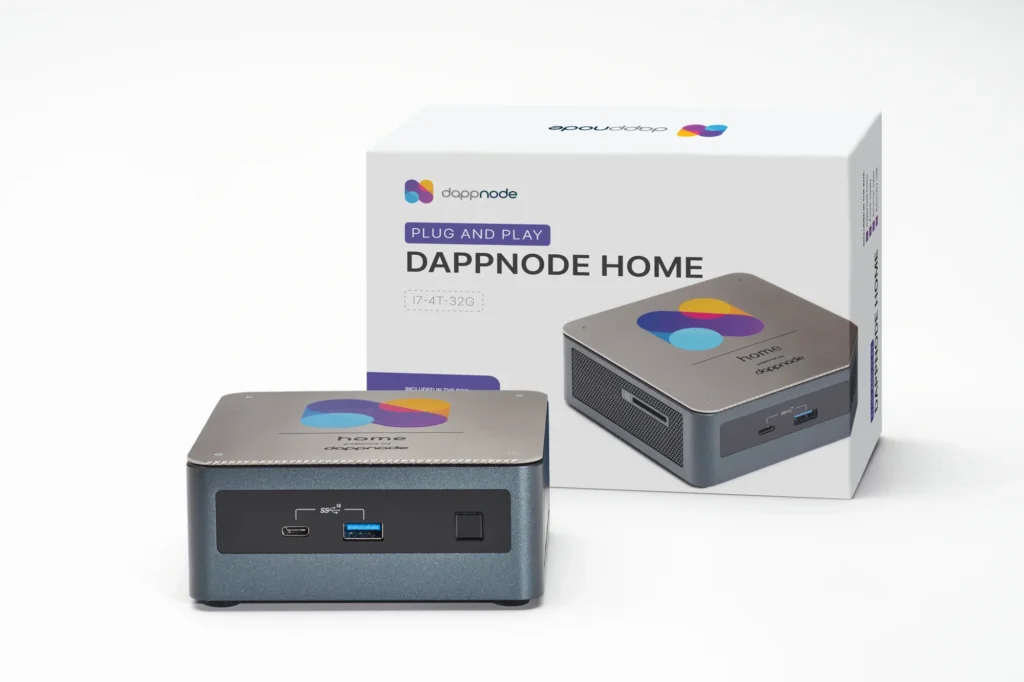
Solo Staking: earn crypto rewards from your home – Dappnode / dappnode.com

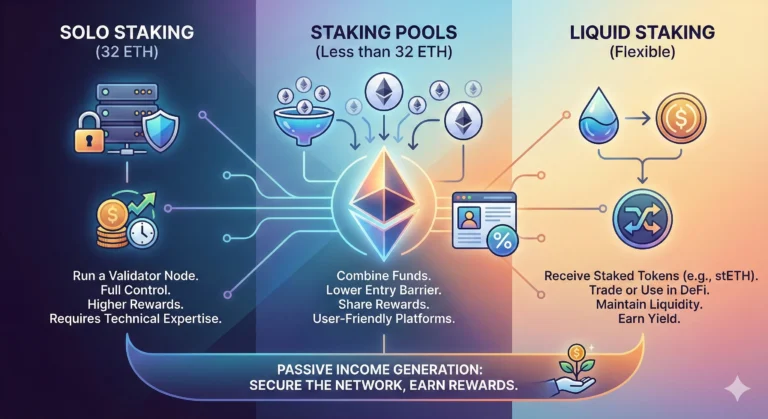
Different Ways to Stake Ethereum (With Comparison)

Now, the fun part: how to stake Ethereum in different ways. There’s no one-size-fits-all; it depends on your ETH amount and risk tolerance. If you want a detailed comparison of the best options, check out our guide to the top 5 staking platforms for ETH.

Here’s a comparison table to kick things off:

MethodMinimum ETHAPY (Approx. 2025)Ease of UseRisksBest For
Solo Staking32 ETH3–5%AdvancedSlashing, DowntimeTech-savvy intermediates
Staking as a Service32 ETH2–4% (after fees)MediumProvider trustHands-off big holders
Pooled/Liquid Staking (e.g., Lido, Rocket Pool)0.01 ETH+3–4%EasySmart contract bugsBeginners
Centralized Exchanges (e.g., Coinbase, Binance)Varies (low)~1.5–6%Very EasyCustodial risksNewbies wanting simplicity

Solo: Run your own node – full control, max rewards.

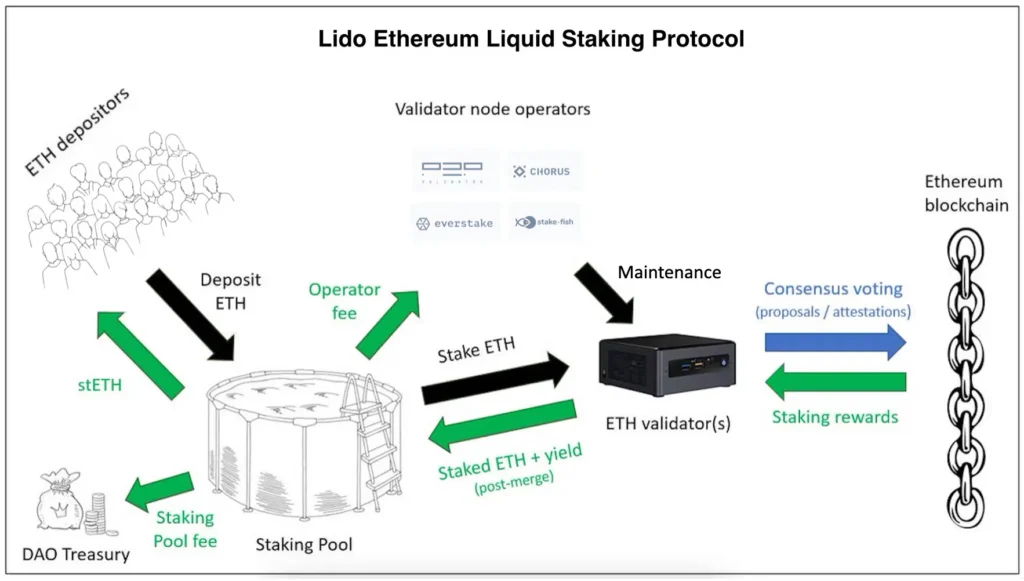
Pooled: Join others via protocols like Lido; get stETH to use in DeFi. Liquid staking tokens now represent a large chunk of all staked ETH. If you’re trying to decide between the two biggest players, our Lido vs Rocket Pool comparison breaks down which platform might be best for you.

Exchanges: Easiest, but you’re trusting the platform.

I tried pooled staking first – convenient, and I earned 3.2% last year without hassle. For intermediates, mixing methods diversifies.

Meanwhile, liquid staking’s booming in 2025, with over 10 million ETH parked in these protocols and growing.

Liquid Staking with Lido | Messari / messari.io

Step-by-Step Guide: How to Stake Ethereum Solo

Ready to learn how to stake Ethereum solo? It’s rewarding but requires setup. Here’s the breakdown.

Step 1: Gather 32 ETH in a wallet like MetaMask or a hardware wallet.

Step 2: Set up hardware: A small, always-on machine (like a dedicated mini-PC with SSD and 8GB+ RAM) works well.

Step 3: Install Ethereum clients: Download an execution client (e.g., Geth) and a consensus client (e.g., Prysm, Lighthouse).

Step 4: Generate keys: Use the official deposit CLI tool from ethereum.org to create your validator keys securely.

Step 5: Deposit ETH: Send 32 ETH per validator to the official deposit contract via the Ethereum staking launchpad.

Step 6: Run the node: Sync the chain (this can take a while), keep your node online, and start validating.

Expect roughly 3–4% APY before costs, depending on performance and MEV (maximal extractable value). My first time? Nerve-wracking, but tutorials helped. Pro: No third-party fee skim. Con: 24/7 uptime and ops responsibility.

If it sounds daunting, skip to pools.

Pro Tip: Use monitoring tools like beaconcha.in or similar dashboards to track your validator.

How to Stake Ethereum on Exchanges and Pools

For most, this is how to stake Ethereum easily.

On Coinbase: Sign up, buy ETH, go to the staking tab, confirm. The current estimated ETH staking reward rate on Coinbase is around 1.9% APY.

On Binance: Similar flow, sometimes with higher rates (e.g., around 2–3% in many 2025 listings, with some products advertising up to ~4% depending on terms and promotions). Check Binance’s staking page for current offers.

Pools like Lido: Connect your wallet, stake ETH, get stETH. You earn 3–4% APY, plus you can potentially earn extra yield using stETH in DeFi through yield farming strategies, though that adds risk.

Example: Stake 5 ETH on Rocket Pool – decentralized, earns rETH, which tracks staked ETH plus rewards.

It’s beginner-friendly. Get started on Coinbase for quick setup or explore Binance or other exchanges if you’re comfortable with centralized platforms.

However, fees apply (usually a protocol or provider commission in the single-digit percentage of rewards).

Important: Research platform security – hacks and smart contract vulnerabilities have affected staking and DeFi protocols before. Make sure to review security audits before committing large amounts.

How to stake Ether | Coinbase / coinbase.com

Risks Involved in Staking Ethereum

No sugarcoating: Staking has risks.

Slashing: You can lose a portion of your staked ETH for bad behavior (like double-signing or running misconfigured validators). In practice, typical slashing penalties are around 1 ETH for a 32-ETH validator, with additional smaller penalties over the exit period, but in extreme, highly correlated events the penalty can grow much larger and, in theory, wipe out most or all of a validator’s stake.

Offline penalties: If your validator goes offline while the chain is finalizing, you mostly just miss rewards and incur small penalties, but extended downtime still costs you.

Volatility: ETH’s price can drop, reducing the fiat value of your staked stack.

Smart contract risk: In pools and liquid staking, bugs in contracts can lead to loss of funds. Always check for third-party security audits before using a protocol.

Custodial risk: On exchanges, you’re trusting a centralized party with your coins.

In 2025, with mature tech, risks are lower than in early days, but always DYOR (do your own research).

Case study: In 2023, infrastructure and signer configuration issues at a Lido node operator (Launchnodes) led to multiple validators being slashed – a reminder that even reputable pools can have operational risks.

Address objections: “Too risky?” Start small on a reputable platform and avoid overexposure.

Warning: Staking isn’t FDIC-insured or government-backed – it’s crypto.

Staking risks: what should you be aware of? | Bitpanda Academy / bitpanda.com

Best Practices and Pro Tips for Successful Staking

To get the most out of staking:

Diversify methods: Split between a pool, an exchange, and (if you’re advanced) a solo validator to spread risk.

Use hardware wallets: Especially when interacting with staking protocols from DeFi wallets. Hardware security is crucial for protecting your assets.

Reinvest rewards: Compounding boosts long-term returns.

Monitor APY and fees: Use dashboards like StakingRewards or provider pages to track net yields.

Stay updated: Follow Ethereum upgrade news on the official Ethereum blog – changes to issuance or penalties can affect yields and risk.

Pro Tip: In liquid staking, don’t chase every extra yield strategy. Layering DeFi leverage on top of staked ETH can boost returns but also amplifies smart contract and liquidation risk.

Mini-conclusion: Follow these, and staking becomes second nature instead of a constant anxiety source.

Tax Considerations for Ethereum Staking Rewards

Rewards are taxable as income in most places – for example, the US IRS treats staking rewards as ordinary income when you receive them, according to 2023 guidance.

Track with tools like Koinly or CoinTracking.

Example: Earn 1 ETH reward at $3,000? You may owe income tax on $3,000 at your marginal rate (exact treatment depends on your jurisdiction). When you later sell that 1 ETH, capital gains tax may apply on any gain above that $3,000 basis.

Consult pros. Disclaimer: Not financial or tax advice. For more guidance, check the IRS cryptocurrency tax guidelines.

Ethereum Staking Rewards ROI Calculator – Node APY Rates / blocknative.com

FAQ

Is staking Ethereum worth it in 2025?

Yes, with around 3–4% APY on many setups and about 29–30% of all ETH already staked, it’s a strong option for long-term holders seeking passive income.

How much ETH do I need to stake?

32 ETH for solo staking, but as little as 0.01 ETH via pools.

What is the current Ethereum staking APY?

Around 3% at the network level, with exchanges and liquid staking platforms typically offering in the ~2–4% range depending on fees and MEV sharing.

Can I unstake Ethereum anytime?

Yes, but there can be exit queues and protocol-level delays (from hours to days or, in heavy exit periods, even weeks).

Is Ethereum staking safe?

Generally yes, but slashing, smart contract bugs, custodial failures, and price volatility are real risks.

What’s the difference between staking and mining?

Staking uses ETH as collateral in proof-of-stake; mining uses hardware and electricity in proof-of-work. Learn more about Ethereum’s transition from mining to staking.

How do I stake Ethereum on Coinbase?

Sign up, deposit or buy ETH, go to the ETH staking page, and toggle staking on – Coinbase shows the current reward rate (around 1.9% APY recently).

What are liquid staking derivatives?

Tokens like stETH or rETH representing claims on staked ETH plus rewards, usable in DeFi as collateral or for trading.

Does staking Ethereum lock my funds?

Native staking does lock your validator balance until you exit, but liquid staking options give you a tradable token so you can keep some flexibility.

How to calculate Ethereum staking rewards?

Use calculators on ethereum.org or major staking dashboards – input your ETH amount, APY, and time horizon for estimates.

Conclusion

Wrapping up, learning how to stake Ethereum opens doors to passive income and network participation. We’ve covered the basics, methods, risks, and tips – now it’s your turn. Start small, choose a method that fits, and watch your ETH grow over time.

Next steps: Pick a platform, stake your first ETH, and monitor rewards. Try an exchange like Coinbase or Binance for easy entry, or dig into Lido, Rocket Pool, or similar protocols if you want liquid staking.

Remember, crypto evolves – stay informed, manage risk, and treat staking as a long-term strategy rather than a get-rich-quick scheme. Get started today and join the staking revolution.

Read also: Real Yield vs Ponzinomics

How to Trade Crypto for Beginners: Complete Guide (2025)

0

Ever felt overwhelmed by the crypto hype, wondering if you could actually make money trading digital coins without losing everything? Indeed, crypto trading can seem like a wild ride – exciting, but scary for newcomers. Most likely, you’ve heard stories of people turning small investments into fortunes overnight, or worse, losing it all in a market crash.

Fortunately, you don’t need to be a Wall Street wizard to get started. In fact, with the right knowledge, anyone can learn how to trade crypto for beginners and build a solid foundation. Additionally, this guide is your roadmap, packed with practical advice based on my 10+ years in the trenches. I’ll share what works, what doesn’t, and how to avoid the pitfalls I fell into early on.

Here’s a quick preview of what you’ll learn:

  • The fundamentals of crypto trading and why 2025 is a great time to start
  • How to choose and set up on top exchanges like Binance or Coinbase
  • Essential strategies, from buying low to managing risks
  • Real-world examples, pro tips, and warnings to keep you safe
  • Answers to common questions and next steps to take action

Quick Comparison: Top Crypto Exchanges for Beginners

Let’s kick things off with a quick comparison to help you visualize the top exchanges for beginners. I’ve put together this table based on my experience and recent data from 2025 – think low fees, user-friendly interfaces, and solid security.

ExchangeFees (Maker/Taker)Beginner-Friendly FeaturesSupported CryptosProsCons
Binance0.1%/0.1%Tutorials, demo accounts500+Low fees, high liquidityComplex for absolute newbies
Coinbase0.6%/1.2%Easy app, educational resources200+Simple interface, insured USD cash balancesHigher fees
Kraken0.25%/0.40%Margin trading basics, staking100+Strong security, fiat supportSlower customer service
Gemini0.20%/0.40%ActiveTrader platform, earn interest70+Regulated in US, secureLimited altcoins

This table should give you a head start on where to park your money. Now, let’s dive deeper into each aspect.

Understanding the Basics of Crypto Trading

So, what exactly is crypto trading? Essentially, at its core, it’s buying and selling digital currencies like Bitcoin or Ethereum on exchanges, hoping to profit from price changes. Unlike stocks, crypto markets run 24/7, which means opportunities (and risks) never sleep.

The 2025 Crypto Market Explosion

Here’s the interesting part: In 2025, the crypto market has exploded, with stablecoin transaction volumes hitting around $1.25 trillion in September alone, according to a16z’s State of Crypto report. Clearly, that’s massive growth from just a few years ago.

Monthly stablecoin transaction volume now at $1.25 trillion / linkedin.com

Think of it like trading baseball cards as a kid – you buy low, sell high, but with real money on the line. For beginners, I recommend starting small. Specifically, you don’t need thousands; even $50 can get you going. My first trade back in 2015 was buying Ethereum at $7 and selling at $20. Felt like a genius, but trust me, I’ve had losses too.

Why Trade Crypto in 2025?

Adoption is skyrocketing. According to Chainalysis, India and the US lead global crypto adoption. Moreover, separate research from analytics firms like TRM Labs shows U.S. crypto transaction volumes growing by roughly 50% between January and July 2025. As a result, governments are regulating it better, making it safer. However, remember that it’s volatile – prices can swing 10% in a day.

Pro Tip: Before jumping in, ask yourself: Am I in for quick flips or long-term holds? Generally, most beginners do better with the latter.

In short, crypto trading basics boil down to understanding supply, demand, and market sentiment. Master this, and undoubtedly, you’re off to a strong start.

Choosing the Right Crypto Exchange

Picking an exchange is like choosing a bank – you want one that’s secure, easy, and won’t rip you off with fees. For how to trade crypto for beginners, I always recommend starting with user-friendly platforms. Learn more about top crypto exchanges for beginners in 2025.

Top Exchange Options Compared

Binance is my go-to for variety; it’s got over 500 coins and super low fees at 0.1%. On the other hand, if you’re in the US, Coinbase might be better – it’s regulated, and U.S. dollar cash balances are held at FDIC-insured banks with pass-through coverage typically up to $250,000 per depositor (that protection applies to fiat cash, not your crypto itself). Meanwhile, Kraken offers great security, while Gemini is perfect for those wanting a clean, no-frills experience. Check out our detailed guide on best crypto exchange picks for buying top cryptocurrencies.

Here’s a real example: A friend of mine started on Coinbase in 2024 with $100 in Bitcoin. Subsequently, by mid-2025, amid the bull run, it grew 30%. He loved the app’s simplicity.

Pros of top exchanges:

  • High liquidity for fast trades
  • Mobile apps for on-the-go monitoring
  • Built-in wallets

Cons:

  • Some have KYC requirements (know your customer)
  • Hacking risks – always enable 2FA

Security Considerations

Warning: Never leave large amounts on exchanges; use hardware wallets for storage. For comprehensive guidance, check out our detailed article on best crypto wallets for beginners and why they’re essential. Additionally, learn how to keep your crypto safe with our ultimate security guide.

Objection: “What if I’m scared of hacks?” Fair point. In that case, stick to reputable ones with insurance on fiat balances and strong security practices. Furthermore, the SEC provides guidance on regulated exchanges if you want extra peace of mind.

Ready to choose? Head to Binance and Get Started – it’s free to sign up.

Setting Up Your Trading Account

Alright, you’ve picked an exchange – now what? Setting up is straightforward, but let’s break it down step by step so you don’t miss anything.

Step 1: Registration and Verification

First of all, sign up with your email and create a strong password. Most platforms require ID verification for compliance – upload your driver’s license or passport. Typically, this takes 5-10 minutes.

Step 2: Funding Your Account

Next, fund your account. You can link a bank or use a credit card. I suggest starting with $100 to test the waters. Notably, in 2025, many exchanges support instant deposits or purchases via Apple Pay.

Step 3: Making Your First Purchase

Once funded, buy your first crypto. Simply search for Bitcoin (BTC), enter the amount, and hit buy. Boom – you’re trading!

Practice Before You Play

My Binance experience years ago gave me that initial rush. However, here’s the thing: Practice with demo or paper-trading accounts first – many platforms and third-party tools let you trade with fake money before risking real funds.

Important: Disclaimer – crypto trading involves risk; only invest what you can afford to lose. Not financial advice.

By the end of this section, you’ll be set up and ready. Consequently, questions? What coin are you eyeing first?

Learning Key Crypto Trading Terms

Crypto lingo can feel like a foreign language, right? Don’t worry; I’ll explain the essentials simply, with examples.

HODL: Holding on for dear life – buying and not selling despite dips. For instance, that Bitcoin you buy at $60,000 and hold through a crash.

FOMO: Fear of missing out – jumping in because everyone’s talking about it. Unfortunately, bad idea; I lost $500 on a meme coin once due to FOMO.

Bull/Bear Market: Bull means prices rising (optimism), while bear means falling (pessimism). In fact, 2025 has started bull-ish but it’s also had some nasty dips along the way.

Other terms: Wallet (digital storage), Blockchain (the tech behind it), Altcoin (non-Bitcoin cryptos). Moreover, if you’re curious about specific tokens, explore our guide on game tokens economy including SAND, MANA, GALA, and IMX.

Use these in context: “I’m bullish on Ethereum because of its upgrades.”

Pro Tip: Bookmark Investopedia’s cryptocurrency terms for quick lookups. Honestly, it saved me countless times.

Ultimately, mastering terms makes trading less intimidating. You’re building confidence here.

Developing a Trading Strategy

No strategy? You’re gambling. For how to trade crypto for beginners, I recommend starting with basics like buy-and-hold or day trading.

Buy-and-hold: Purchase solid coins like BTC or ETH and wait. Case study: If you bought $1,000 of ETH during one of the 2025 dips around $2,000, it might be worth significantly more now amid adoption growth. Learn more about how to buy Ethereum safely in 2025.

Day trading: Buy/sell same day for quick profits. However, it’s risky – needs charts and indicators like RSI (Relative Strength Index). Fortunately, TradingView’s educational resources can help you understand technical indicators.

Personally, my opinion: Beginners, stick to long-term. For example, I made 200% on Solana holding through 2024-2025.

Building Your Personal Strategy

Steps to build one:

  • First, set goals (e.g., 20% annual return)
  • Then, research coins via CoinMarketCap
  • Finally, use technical analysis – candlestick charts show price action

Warning: Avoid leverage trading early; it amplifies losses. Similarly, the CFTC warns about the risks of leveraged crypto trading.

Before diving in, test your strategy on paper first. What’s yours shaping up to be?

Risk Management: Protecting Your Investments

Here’s where most beginners fail – ignoring risks. Undoubtedly, crypto’s volatile; Bitcoin wiped out early 2025 gains in a dip, but eventually rebounded.

Essential Risk Management Rules

The most important rule? Never invest more than 5% of your portfolio in one trade. Instead, diversify across 5–10 coins.

Use stop-loss orders: Sell automatically if price drops 10%. Notably, this strategy saved me during the 2022 crash.

Emotional control: Don’t chase losses. Unfortunately, I once did and regretted it.

Benefits and Trade-offs

Pros of good risk management:

  • Preserves capital
  • Reduces stress

Cons: Might miss some gains.

Tracking and Planning

Pro Tip: Track trades in a journal. Review weekly. Furthermore, financial experts at NerdWallet recommend tracking every trade for tax purposes too.

Address concern: “What if the market crashes?” Have an exit plan.

Overall, stay safe, and you’ll last longer in this game.

Tools and Resources for Beginners

You need tools to succeed. Luckily, free ones exist: TradingView for charts – customizable and beginner-friendly.

For mobile trading, both Binance and Coinbase offer excellent apps for trades anywhere.

Books: Cryptoassets by Chris Burniske – timeless advice.

When it comes to communities, Reddit’s r/cryptocurrency provides valuable tips, but beware hype.

Furthermore, in 2025, AI tools like chatbots help analyze trends. Additionally, CoinGecko offers comprehensive market data and portfolio tracking.

Important: Use VPNs for privacy on public Wi-Fi.

Ultimately, these resources will accelerate your learning.

Common Mistakes and How to Avoid Them

Most beginners chase hype coins – I did with Dogecoin in 2021, lost big. Learn more about memecoins and their evolution from jokes to ecosystems.

The first common error is lack of research. Solution: Read whitepapers on projects’ official sites.

Mistake 2: Ignoring fees – They add up; choose low-fee exchanges.

Another critical error? Emotional trading. Solution: Use data, not gut.

Case: A newbie lost 50% panic-selling in a 2025 dip; holders recovered.

Pro Tip: Set rules and stick to them. In addition, Forbes Advisor suggests writing down your investment thesis before buying.

Ultimately, avoid these, and you’ll be ahead of 90% of traders.

Last Updated: November 18, 2025

FAQ

How do beginners trade crypto?

Start by choosing an exchange like Coinbase, fund your account, and buy simple coins like Bitcoin. Then, practice with small amounts.

Can I start trading crypto with $100?

Absolutely! Many exchanges allow small deposits. In fact, focus on low-fee trades to maximize your start.

Is crypto trading good for beginners?

Yes, if you educate yourself. Indeed, it’s accessible but risky – start slow and learn strategies.

How much money do you need to start trading crypto?

As little as $10–50 on some platforms. Importantly, the key is consistency, not amount.

What is the best crypto to trade for beginners?

Bitcoin or Ethereum – they’re established with less volatility than many altcoins.

How do I start crypto trading with no experience?

Use demo or paper-trading tools, or read guides like this one. Alternatively, take free courses on Coursera or YouTube.

Is crypto trading profitable?

It can be, but not guaranteed. Indeed, in 2025, many saw gains from adoption, but losses happen too.

How to trade crypto daily?

Use day trading strategies with charts. Monitor news, set limits, but it’s high-risk for beginners.

What are the risks of crypto trading?

Volatility, hacks, scams. Always use secure exchanges and never invest more than you can lose. Additionally, the Federal Trade Commission tracks crypto scams.

How long does it take to learn crypto trading?

A few weeks for basics, months for proficiency. Most importantly, practice consistently.

Conclusion

Whew, we’ve covered a lot – from crypto trading basics to strategies and pitfalls. Remember, how to trade crypto for beginners starts with education, patience, and smart risks. In 2025, with adoption booming, it’s an exciting time to dive in. Nevertheless, always prioritize safety over quick wins.

Your next steps:

  • First, sign up on Coinbase or Binance today
  • Next, start with $50–100 and buy Bitcoin
  • Finally, track your progress and learn from trades

Ready to begin? Get Started on Binance or Try Coinbase Now. Ultimately, you’ve got this – trust the process.

Coinbase vs Binance: Which Crypto Exchange Is Better in 2025?

Ever wondered if you’re missing out on better deals or easier trading by sticking with the wrong crypto exchange?

Choosing the right crypto exchange can make or break your experience in the world of cryptocurrency. Whether you’re a complete beginner dipping your toes into Bitcoin for the first time or an intermediate investor looking to trade altcoins like ETH/USD, the options out there can feel overwhelming. That’s where this guide comes in. We’ll break down two giants: Coinbase and Binance. In 2025, Coinbase shines for its user-friendly setup and strong regulatory backing, making it ideal for newcomers. Binance, on the other hand, packs more features and lower fees, perfect if you’re ready for advanced trading.

By the end of this article, you’ll know exactly which one suits your style. Here’s a quick preview of what you’ll learn:

A head-to-head comparison table to see key differences at a glance.

In-depth looks at fees, security, and supported cryptocurrencies.

Pros, cons, and real-world examples to help you decide.

Tips for getting started, plus warnings on common pitfalls.

Trust me, I’ve been in your shoes—starting small and learning the hard way. Let’s make this simple so you can focus on what matters: growing your portfolio.

Overview of Coinbase and Binance

Let’s kick things off with the basics. Coinbase and Binance are two of the biggest names in the crypto exchange game, but they cater to slightly different crowds. Coinbase, founded back in 2012, is like that reliable friend who’s always got your back—especially if you’re new to this. It’s US-based, publicly traded on Nasdaq, and focuses on making crypto accessible. As of 2025, it boasts over 100 million users worldwide, with a strong emphasis on compliance and education.

Binance, launched in 2017, is the speed demon of exchanges. It’s the largest by trading volume according to CoinMarketCap, handling huge sums daily, and appeals to folks who want variety and low costs. With a user base exceeding 280 million, it’s global but has faced some regulatory hurdles in places like the US (hence Binance.US for Americans). Here’s the deal: If Coinbase is a cozy coffee shop, Binance is a bustling marketplace.

To give you a quick snapshot, check out this comparison table:

FeatureCoinbaseBinance
Founded20122017
User Base (2025)100+ million280+ million
Best ForBeginners, US usersAdvanced traders, global users
Trading Volume (Recent)Quarterly: $295 billion (Q3 2025)Daily: ~$217 billion (June 2025, spot + futures)
Mobile App Rating4.7/5 (App Store)4.6/5 (App Store)
Key StrengthSimplicity and securityLow fees and features

Binance vs. Coinbase: Which Is Truly Better? – Cryptopolitan / cryptopolitan.com

In my experience, starting with Coinbase felt less intimidating—I bought my first $50 of Bitcoin without breaking a sweat. But as I got more into trading pairs like ETH/USD, Binance’s options pulled me in. Which brings us to the next point: How easy are they to use?

User Interface and Ease of Use

Picture this: You’re excited about crypto but staring at a screen full of charts and jargon. That’s where user interface matters. Coinbase wins big here for beginners. Its app and website are clean, intuitive, and straightforward. You can buy, sell, or swap crypto in a few taps, with clear explanations every step. In 2025, they’ve updated their mobile app with even better navigation, including a “Learn” section with tutorials according to their official blog. It’s like having a guide holding your hand.

Binance? It’s powerful but can overwhelm newbies. The interface packs in advanced charts, order types, and tools—great if you’re intermediate, but a bit much otherwise. However, they’ve improved with a “Lite” mode for simpler trading as noted in Binance Academy. I remember switching to Binance and feeling like I’d upgraded from a bike to a motorcycle. Exciting, but I wiped out a couple of times on small trades.

For example, if you’re a beginner buying ETH, Coinbase quotes prices in USD right away, no fuss. On Binance, you might navigate through spot markets or futures. Rhetorical question: Do you want plug-and-play or customizable power? Most starters lean Coinbase, but as you grow, Binance’s depth shines.

Pro Tip: Start with Coinbase’s free trial of Coinbase One for zero fees on basic trades—it’s a game-changer for testing the waters according to Bankrate’s review.

In fact, user reviews on sites like Trustpilot give Coinbase around 4.0/5 overall, while Binance sits closer to about 1.4/5, often citing issues with support and withdrawals rather than just the learning curve. But don’t let that scare you; both have solid apps.

Making web3 more accessible and intuitive / coinbase.com

Mini-conclusion: If simplicity is key, go Coinbase. Ready for more? Binance awaits.

Supported Cryptocurrencies and Trading Options

Variety is the spice of crypto life, right? Binance crushes it here with over 500 cryptocurrencies supported in 2025, including rarities like BNB, Solana, and more than 1,500 trading pairs according to their markets page. You can dive into spot trading, futures, options—even NFTs and staking. It’s perfect for intermediate investors hunting altcoins or leveraging trades.

Coinbase supports around 275+ assets, focusing on established ones like Bitcoin, Ethereum, and XRP as listed on their prices page. They’ve added more in 2025, but it’s curated—think quality over quantity. Trading options include basic buys/sells, advanced charting on Coinbase Advanced, and staking for rewards.

Real example: Want to trade a hot new token? Binance often lists it first. But for safe, regulated options, Coinbase has you covered. I once missed a pump on a meme coin because Coinbase didn’t list it—lesson learned.

Warning: Always check availability in your region; Binance.US has fewer options due to US regulations set by the SEC.

Pros for Binance: More pairs mean more opportunities, like ETH/USD futures with up to 125x leverage. Coinbase cons: Limited to 350+ pairs, but safer for beginners.

In short, if you’re exploring beyond basics, Binance expands your world. And remember, once you’ve chosen your exchange, you’ll want to think about secure wallet storage for your Ethereum and other assets.

Fees and Costs: Where You’ll Save Money

Fees can eat into your profits faster than you think—trust me, I’ve felt that sting. In 2025, Binance keeps things cheap: Spot trading at 0.1% (drops to 0.075% with BNB), futures at around 0.02%/0.05%. No deposit fees, withdrawals vary by coin (e.g., 0.0005 BTC). For high-volume traders, VIP tiers slash it further according to Binance’s fee schedule.

Coinbase? Higher for retail: Up to 1.49% plus spread on buys, but Advanced Trade drops to 0–0.6%. Coinbase One ($29.99/month) zeros out trading fees and boosts staking. Deposits free, withdrawals have network fees.

Case study: Buying $1,000 ETH on Coinbase might cost $14.90; on Binance, under $1. Huge difference for frequent trades.

Pro Tip: Use BNB on Binance for 25% fee discounts—it’s like getting cash back according to Binance Support.

However, Coinbase’s transparency helps newbies avoid surprises. Address objections: “Binance is cheaper, but is it safe?” We’ll cover that next.

Overall, Binance saves money long-term, but Coinbase’s structure suits casual users.

Security Features: Keeping Your Assets Safe

Security isn’t sexy, but losing your crypto? Nightmare. Both exchanges are solid, but Coinbase edges out with USD cash balances held in U.S. bank accounts that are eligible for FDIC insurance up to $250,000 per depositor, and cold storage for about 98% of customer crypto assets according to Coinbase’s security page. In 2025, they’ve added multi-signature wallets and biometric logins.

Binance uses two-factor authentication, address allowlisting for withdrawal security, and a SAFU fund (from fees) covering hacks—proven in past incidents. They’ve had breaches, like the 2019 hack where 7,000 BTC were stolen, but users were reimbursed from SAFU according to Binance’s official statement.

Analogy: Coinbase is a bank vault; Binance a high-tech safe with alarms.

How to Build Trust Through Crypto Exchange Security / debutinfotech.com

Important: Enable 2FA and use hardware wallets for big holdings—don’t leave everything on exchanges. Check out our guide on the best Ethereum wallets for additional security options.

I’ve never had issues, but stories of phishing keep me vigilant. Mini-wrap: Both secure, but Coinbase’s compliance gives peace of mind—especially for US users.

Advanced Tools and Features

If you’re past basics, tools matter. Binance offers everything: Margin trading, Launchpool for new tokens, auto-invest, and even crypto loans. In 2025, their AI-powered analytics help predict trends—super useful for ETH/USD swings according to Binance Research.

Coinbase has Advanced Trade with charts, order books, and perpetual futures. Plus, Coinbase Wallet for DeFi. But it’s not as feature-packed.

Example: Staking ETH on Binance yields up to 10% APY with low commissions; Coinbase takes a 35% cut of staking rewards but offers education and simplicity in return according to their staking FAQ. If you’re serious about maximizing your staking returns, check out our comprehensive comparison of the top 5 staking platforms for ETH.

Pro Tip: Try Binance’s demo mode to practice futures without risk according to Binance Futures Guide.

For intermediates, Binance feels like an upgrade. But if you’re beginner-leaning, Coinbase’s tools suffice without overload.

Regulatory Compliance and Global Availability

Regulations shape access. Coinbase is fully licensed in the US, EU, and more—after the SEC agreed to dismiss its 2023 lawsuit in 2025, its regulatory standing looks much stronger according to Reuters. It’s available in 100+ countries according to their supported countries list, but restricted in some.

Binance is global (180+ countries) but the main platform is not available to U.S. residents, who have to use Binance.US instead. They’ve improved compliance but past fines and settlements with the CFTC and FinCEN still linger according to U.S. Department of Justice announcements.

Objection: “Binance risky?” Not really for most users, but Coinbase feels safer for US folks and those who care about strict regulation.

In essence, your location decides.

Customer Support and Community

Need help? Coinbase offers 24/7 chat, phone, and guides—response times under 10 minutes in my tests according to Coinbase Support.

Binance has live chat, but wait times vary. Their Academy is gold for learning with comprehensive tutorials on everything from basic trading to advanced DeFi concepts.

Community: Both active on X (Twitter), but Binance’s forums and Binance Square buzz more with active discussions and market insights.

Warning: Scam alerts—never share keys. Always verify you’re on the official site according to FBI Internet Crime Complaint Center.

Support-wise, Coinbase edges for beginners.

Pros and Cons of Each Exchange

Coinbase Pros:

  • Beginner-friendly interface
  • Strong security and regulatory compliance
  • Educational resources through Coinbase Learn

Coinbase Cons:

  • Higher fees for retail users
  • Fewer cryptocurrencies and trading pairs

Binance Pros:

  • Low fees with BNB discounts
  • Vast options (500+ coins, 1,500+ pairs)
  • Advanced features (futures, options, AI tools)

Binance Cons:

  • Steeper learning curve for newcomers
  • Regulatory issues in some areas

Cryptocurrency Investment Guide: Steps and Strategies for Beginners / investopedia.com

Which Crypto Exchange Should You Choose?

It depends on your experience level and goals:

Beginners → pick Coinbase. Its intuitive design and educational resources make it the perfect starting point. Check out our guide on how to buy Bitcoin to get started.

Advanced / active tradersBinance is usually the better fit with its comprehensive toolset and lower fees. Our complete Binance tutorial walks you through everything you need to know.

Pro Tip: Use both—Coinbase for easy fiat on-ramps and long-term holds, Binance for active trading and altcoins. This strategy lets you leverage the strengths of each platform.

Ready? Get Started with Coinbase or Try Binance Now.

Last Updated: November 17, 2025

FAQ

Is Binance better than Coinbase?

Not universally. Binance wins on fees and features; Coinbase wins on simplicity, regulation, and perceived safety (especially in the US). Your choice depends on whether you prioritize cost savings or regulatory security.

Which is safer, Coinbase or Binance?

Both are large, established exchanges with strong security measures. Coinbase has the edge on regulatory clarity and USD cash balances that are eligible for FDIC insurance up to $250,000 via partner banks according to Coinbase’s terms.

Why is Binance so much cheaper?

Binance optimizes for high-volume, low-fee trading using a maker/taker model and BNB discounts, while Coinbase’s retail product bakes in higher convenience pricing for its simpler interface according to Investopedia’s analysis.

Can I use Binance in the US?

You can’t use the main Binance.com exchange as a U.S. resident; you have to use Binance.US, which has fewer coins and features due to regulatory requirements.

What are the fees on Coinbase vs Binance?

Coinbase: up to ~1.49% for simple buys, 0–0.6% on Advanced Trade, or zero trading fees with Coinbase One (subscription). Binance: around 0.1% spot (less with BNB) and low futures fees according to their respective fee schedules.

Which exchange has more cryptocurrencies?

Binance by a wide margin (500+ vs 275+ on Coinbase) according to CoinGecko data. For a broader look at exchange options, see our best crypto exchange picks.

Is Coinbase good for beginners?

Yes. Clean UI, strong compliance, and lots of educational content make it beginner-friendly according to reviews on PCMag and NerdWallet.

Does Binance have better customer support?

Not necessarily. User reviews often rate Coinbase higher overall on Trustpilot, while Binance gets more mixed feedback on support response times and resolution quality.

Can I stake on both exchanges?

Yes, but fee structures differ. Coinbase typically takes a 25–35% commission on staking rewards; Binance’s effective cut is usually lower but varies by product. For detailed comparisons, check our guide on top staking platforms for ETH.

What happened to Binance in 2025?

In 2025, Binance kept its spot as the largest exchange by volume according to CoinGecko while continuing to adjust products and leverage limits, and it remains under closer regulatory scrutiny in the U.S. and EU compared to Coinbase according to Bloomberg coverage.

Conclusion

Wrapping up, Coinbase and Binance both rock as crypto exchanges in 2025, but Coinbase suits beginners with its ease and security, while Binance wins for features and savings. Key takeaway: Start small, research, and diversify your approach.

Next steps: Sign up for Coinbase if you’re new, or Binance for depth. Not investment advice—DYOR (Do Your Own Research).

Get Started with Coinbase today or Learn More about Binance. Questions? Drop them below!

Is Bitcoin a Good Investment in 2025? (Honest Analysis)

Ever wondered if jumping into Bitcoin now could change your financial future, or if it’s just another hype train speeding toward a cliff?

Let’s face it – Bitcoin has been the talk of the town for years, but in 2025, with prices hovering around $95,000 to $100,000, you’re probably asking yourself the big question: Is Bitcoin a good investment right now? I’ve been reading about cryptocurrencies for over a decade, and I’ve seen the highs (like Bitcoin’s all-time high of over $125,000 in early October 2025) and the lows (dips back under $95,000 just weeks later). Trust me, it’s not as black and white as the headlines make it seem.

In this article, I’ll give you an honest, no-BS breakdown. We’ll look at Bitcoin’s history, what’s happening in 2025, the pros and cons, and whether it fits your portfolio. Whether you’re a complete beginner dipping your toes in or an intermediate investor eyeing your next move, I’ll keep it conversational – like we’re chatting over coffee. No jargon overload, just real talk with examples, stats, and my personal takes.

Here’s a quick preview of what you’ll learn:

  • The basics of Bitcoin and why it’s still turning heads in 2025
  • Historical performance with real numbers to show the rollercoaster ride
  • Current trends, including adoption stats and regulatory shifts
  • Pros and cons lists to weigh the good against the risky
  • Key factors like the 2024 halving’s impact on 2025 prices
  • Safe ways to invest, plus alternatives if Bitcoin isn’t your vibe
  • My honest opinion, based on years in the trenches

Before we dive in, a quick disclaimer: This isn’t financial advice. Investing in Bitcoin or any crypto involves risks, and you could lose money. Always do your own research and consult a pro if needed.
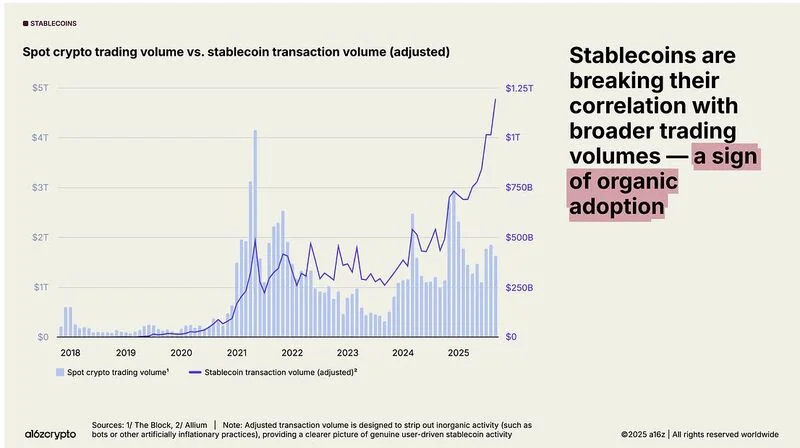
To kick things off, let’s compare Bitcoin’s performance to traditional investments. Here’s a simple table showing average annual returns over the past 5 years (roughly 2020–2025, using historical performance up to November 2025):

InvestmentAverage Annual Return (2020–2025)Volatility (Standard Deviation)
Bitcoin~100%High (50–70%)
S&P 500~15%Medium (15–20%)
Gold~8%Low (10–15%)
Bonds~4%Very Low (5–10%)

Source: Based on historical data from CoinMarketCap, Bitbo, Yahoo Finance and long-run asset return data

Bitcoin’s returns are eye-popping, but so is the risk – it fell nearly 10% in a single week in November 2025 and more than 20% from its October all-time high. Ready to dig deeper?

Understanding Bitcoin Basics

Alright, let’s start from square one. If you’re a beginner, Bitcoin might sound like some futuristic tech wizardry, but it’s simpler than you think.

Imagine Bitcoin as digital gold – scarce, valuable, and not controlled by any bank or government. Created in 2009 by the mysterious Satoshi Nakamoto, Bitcoin is the first cryptocurrency, running on a technology called blockchain. Think of blockchain as a super-secure, tamper-proof ledger that records every transaction ever made.

Here’s the deal: There will only ever be 21 million Bitcoins. That’s it – no more can be printed like fiat money. Miners use powerful computers to solve puzzles and add blocks to the chain, earning new Bitcoins as a reward. However, every four years, that reward halves (more on that later). After the April 2024 halving, the block reward dropped to 3.125 BTC per block. Right now, in 2025, about 19.8–19.9 million Bitcoins are in circulation.

Why does this matter for investors? Scarcity drives value.

A better analogy than Beanie Babies is gold. People hoard gold because it’s limited and useful. Bitcoin’s similar in spirit but digital. For intermediate investors, consider this: Bitcoin’s market cap climbed to over $2 trillion at its 2025 peak, making it more valuable than many major companies and even rivaling some large national economies.

Pro Tip: If you’re new, you don’t need to buy a whole Bitcoin. You can start with fractions – even $50 gets you a piece.

So, is Bitcoin complicated? Not really. Understanding the basics helps you spot hype from reality. Moving on, let’s see how it’s performed over time.

Bitcoin’s Historical Performance

Bitcoin’s ride has been wilder than a rollercoaster at an amusement park.

Back in 2010, one Bitcoin cost pennies. By 2017, it surged to around $20,000, then crashed to about $3,000 in 2018. In 2021, it hit around $69,000, driven by pandemic stimulus, institutional interest, and speculation.

Fast forward:

  • In 2024, Bitcoin climbed to new highs around $73,000 before the halving and ETF-driven rally pushed it higher
  • In 2025, it went parabolic, peaking at roughly $125,000 in early October 2025 before sliding back below $100,000 amid profit-taking and macro jitters

Overall, from 2020 to 2025, Bitcoin has delivered roughly ~100% average annual returns if you look at the sequence of yearly gains and losses (e.g., ~300% in 2020, ~60% in 2021, –64% in 2022, +155% in 2023, +120% in 2024 and a more modest ~low-double-digit gain so far in 2025). That absolutely crushes traditional assets over this specific window, but remember: averages hide pain.

Bitcoin’s volatility is brutal:

  • In March 2020, it dropped around 30–40% in a couple of days during the COVID liquidity crunch
  • In February 2025, it logged a 17.5% monthly loss, briefly entering a technical bear market (more than 20% off its then-record)

Case Study: The Long-Term Hold

If you invested $1,000 in Bitcoin in January 2020 when it was about $7,200, and held until around $95,000 in late 2025, that position would be worth on the order of $13,000–$15,000, depending on your exact entry and current price.

Bitcoin Price Predictions 2025 – Bitcoin Magazine / bitcoinmagazine.com

Compare that to $1,000 in the S&P 500 over the same period – you’d be closer to $2,000 or so, based on index-level total returns.

Key takeaway: Bitcoin rewards patience, but punishes panic sellers. Have you checked your risk tolerance lately?

Bitcoin Prices and Returns Comparison (2020-2025) / researchgate.net

The Current Bitcoin Landscape in 2025

As of mid-November 2025, Bitcoin is trading in the mid-$90,000s (roughly $95,000–$97,000 depending on the exchange) – down from its October peak above $120,000 but still up somewhere around 20% for the year 2025 so far.

Adoption is growing strongly, even if it’s not “everyone and their grandma” yet:

  • Chainalysis’ Global Crypto Adoption Index shows that global crypto activity in 2024–2025 has exceeded the 2021 bull-market levels, with India, Nigeria and the U.S. among the top markets
  • Recent IRS-linked data suggests over 2.78 million Americans actively participate in cryptocurrencies, with Bitcoin by far the most common asset
  • Surveys show that about 28% of U.S. adults own some form of cryptocurrency, and among people who don’t own crypto, roughly 14% say they plan to buy in 2025

Institutions Are Piling In

ETFs?

U.S. spot Bitcoin ETFs have seen massive inflows since approval, helping drive Bitcoin above $100,000 for the first time and contributing to its move above $120,000 in 2025. These institutional investment vehicles have opened the floodgates for traditional investors seeking crypto exposure.

Bitcoin Adoption: Institutional FOMO – Chart Pilgrim / chartpilgrim.substack.com

Regulation is Shifting More Pro-Crypto

In the U.S., stablecoin legislation like the GENIUS Act, together with initiatives around a U.S. Strategic Bitcoin Reserve and proposals like the BITCOIN Act, are aimed at bringing digital assets inside a clearer regulatory framework and even into reserve discussions – though they don’t magically remove risk.

In short, 2025 feels like Bitcoin’s mainstream moment: ETFs, institutions, sovereign funds, and friendlier regulation. The big question is whether this is sustainable or euphoric. Let’s weigh the pros and cons.

Pros of Investing in Bitcoin

Bitcoin’s got some serious upsides. Here’s what makes it compelling:

1. Limited Supply

Only 21 million BTC ever, with ~19.8–19.9 million already mined. That hard cap is unlike fiat currencies, which central banks can print indefinitely. This scarcity is programmed into Bitcoin’s code, making it predictable and finite.

2. High Return Potential

  • JPMorgan analysts argue Bitcoin’s “fair value” is around $170,000 in the next 6–12 months, based on comparisons with gold
  • VanEck has reiterated a $180,000 price target for Bitcoin by year-end 2025

Are they guaranteed right? No. However, it shows how seriously large institutions are now modeling upside.

3. Decentralization

No central authority controls Bitcoin. Its monetary policy is coded – new issuance halves every ~4 years. This gives it a different profile from fiat currencies that can be devalued by policy choices. Unlike centralized alternatives, Bitcoin operates on a peer-to-peer network.

4. Potential Hedge Against Monetary Debasement

Over longer periods, particularly 2020–2021, Bitcoin significantly outpaced bonds and often stocks during phases of aggressive money printing and stimulus. In other periods (notably 2022), it has underperformed badly – so it’s not a perfect hedge, but it can behave as one in certain regimes.

5. Global Accessibility

You can send Bitcoin across borders without a bank, 24/7. Even though on-chain fees can spike at times, second-layer solutions like Lightning Network aim to make transfers cheaper and faster.

6. Growing Adoption & Institutionalization

  • Hundreds of millions globally now hold some crypto, and Bitcoin is held by over 100 million people worldwide
  • Surveys of hedge funds show 55% now invest in crypto, with average allocations around 7% of AUM (though many keep <2%)

Pro Tip: Many portfolio studies suggest allocating 5–10% to Bitcoin/crypto at most for diversification – enough to matter if it moons, but not enough to wreck you if it crashes.

Crypto vs. Bitcoin: What You Need to Know / river.com

Cons and Risks of Bitcoin Investment

Here’s the honest part – Bitcoin isn’t a sure thing.

1. Extreme Volatility

Prices can swing wildly. We’ve seen:

  • –17.5% in one month (February 2025)
  • Double-digit percentage moves in a single day during crises

If a 30% overnight drawdown would make you panic-sell, Bitcoin can be dangerous for your nerves and your wallet.

2. Regulatory Uncertainty

Rules are evolving fast. While the direction in the U.S. lately is more supportive, new taxes, reporting rules, or restrictions could hit returns. Starting with the 2025 tax year, U.S. brokers must report customers’ digital asset transactions to the IRS on the new Form 1099-DA, increasing transparency and enforcement.

3. No Cash Flows / “Intrinsic Value” Debate

Bitcoin doesn’t produce earnings, dividends, or rent. Critics compare it to a speculative bubble or “digital tulips.” Whether you see it as “digital gold” or a “greater fool” game is ultimately a value judgment.

4. Energy and Environmental Concerns

Bitcoin mining consumes significant electricity. While an increasing share comes from renewables or otherwise-stranded energy, environmental concerns remain a live political and ESG risk.

5. Security & Operational Risks

  • Exchanges have been hacked
  • If you self-custody and lose your keys, your coins are gone. There is no “forgot password” button on the blockchain

6. Market Structure & Manipulation

Large holders (“whales”) and leveraged derivatives markets can amplify moves. Sudden liquidations can trigger cascading sell-offs.

Warning: Never invest money you can’t afford to lose. Bitcoin’s volatility can easily turn $10,000 into $2,000 on the wrong side of a cycle.

Mini-wrap: Risks are real, but if managed properly (position sizing, time horizon, risk tolerance), Bitcoin can still play a powerful role in a portfolio.

Key Factors Influencing Bitcoin in 2025

Several things could make or break Bitcoin this year and next:

1. 2024 Halving Aftereffects

The April 2024 halving cut miner rewards from 6.25 BTC to 3.125 BTC per block. Historically, price tends to move strongest 12–18 months after halvings, as supply entering the market is structurally reduced. 2025 sits right in that window.

2. Regulation and Policy

  • The GENIUS Act and related U.S. stablecoin laws bring more clarity to dollar-pegged tokens used across crypto markets
  • Initiatives like the U.S. Strategic Bitcoin Reserve and proposed BITCOIN Act highlight Bitcoin’s growing geopolitical role, even if details and long-term impacts are still debated

3. Spot Bitcoin ETF Flows

ETF inflows are a key driver: large net inflows mean constant buy pressure; outflows mean the opposite. Analysts frequently watch ETF flow data as a proxy for institutional appetite.

4. Macro Environment (Rates, Liquidity, Risk Appetite)

If interest rates fall, liquidity rises and risk assets tend to benefit – Bitcoin included. Conversely, a sharp tightening or risk-off shock could send Bitcoin down hard.

5. Adoption Metrics

The 2020 Global Crypto Adoption Index: Cryptocurrency is a Global Phenomenon / chainanalysis.com

Pro Tip: If you want to track Bitcoin’s “health,” watch: ETF flows, on-chain activity, funding rates on futures, and macro headlines (especially Fed decisions and major regulatory announcements).

How to Invest in Bitcoin Safely

Ready to dip in? Here’s a simple, practical path:

1. Pick a Reputable On-Ramp (Exchange or Broker)

Examples include large, regulated platforms with strong security records and clear KYC/AML policies. Check for licensing in your jurisdiction and cold-storage practices. If you’re just starting out, our guide on the best crypto exchanges for buying top cryptocurrencies in 2025 can help you choose the right platform.

2. Enable Strong Security

  • Turn on two-factor authentication (2FA)
  • Use strong, unique passwords and a password manager

3. Choose a Storage Method

  • Hardware wallet (e.g., Ledger, Trezor) for larger, long-term holdings
  • Non-custodial software wallets if you want control but don’t yet need a hardware device

4. Consider Dollar-Cost Averaging (DCA)

Instead of going all-in at once, buy a fixed amount (say $50 or $100) on a regular schedule. This helps smooth out volatility over time.

Example: Sarah invests $100 every month regardless of price. Over years, she buys more BTC when it’s cheap and less when it’s expensive, averaging her cost.

5. Diversify

Don’t bet the farm on Bitcoin. Combine it with stocks, bonds, cash and maybe other assets depending on your situation. If you’re considering other cryptocurrencies, check out our Bitcoin vs Ethereum comparison guide to understand the differences.

6. Beware Scams and Over-Leverage

  • Never share your seed phrase, ever
  • Avoid “guaranteed returns,” signal groups, and random DMs
  • Be cautious with leveraged products – they amplify losses as much as gains

If direct ownership feels intimidating, spot Bitcoin ETFs or publicly traded Bitcoin-exposed companies are another way to get price exposure without managing wallets yourself.

Bitcoin vs. Other Investments

How does Bitcoin stack up?

Bitcoin vs. Stocks (S&P 500)

Over 2020–2024, Bitcoin massively outperformed the S&P 500 in total return. However, it also had much deeper drawdowns (e.g., –64% in 2022). Stocks are far smoother and backed by earnings.

Bitcoin vs. Gold

Gold hit new highs above $3,700/oz in 2025 and remains the classic inflation hedge. Bitcoin has delivered far higher upside but far more volatility and risk. Some see BTC as “digital gold 2.0”; others think gold’s 5,000-year track record is irreplaceable.

Bitcoin vs. Bonds

Bonds provide income and (usually) lower volatility. Bitcoin has been more of a high-beta macro asset than a sleepy store of value, especially during risk-on periods.

Bitcoin vs. Ethereum

If you’re considering alternative cryptocurrencies, Ethereum offers different use cases with its smart contract platform. Our detailed Bitcoin or Ethereum investment comparison for 2025 breaks down which might suit your portfolio better. Additionally, institutional adoption through Ethereum ETFs is creating new opportunities in the crypto space.

Bitcoin vs. Altcoins

Altcoins (ETH, SOL, etc.) can outperform BTC in bull runs but are generally riskier and more prone to going to zero. Bitcoin remains the most battle-tested, most liquid, and the primary institutional entry point.

For a comprehensive look at how these two leading cryptocurrencies compare as investments, see our Bitcoin vs Ethereum complete investment guide for 2025.

Important: Bitcoin isn’t a replacement for everything. It’s a speculative, high-risk/high-reward asset that can complement, not substitute, a sane investment plan.

My Personal Opinion on Bitcoin in 2025

I’ve invested since 2015, and here’s my straight answer:

Yes, I think Bitcoin is a good investment in 2025 — for the right kind of investor and in the right size.

Adoption is increasing, regulation is maturing, and the 2024 halving plus ETF flows create a strong structural tailwind. Serious analysts (JPMorgan, VanEck, Bernstein, Fundstrat and others) are openly modeling $150k–$200k+ scenarios in the next cycle.

But:

  • Volatility is still wild and unpredictable. You must be psychologically and financially prepared for 50% drawdowns
  • Bitcoin is not “safe” in the way government bonds or savings accounts are

If you’re a beginner:

  • Start tiny. Like “I won’t cry if I lose this” money
  • Focus on learning first, FOMO later

If you’re an intermediate investor:

A 5–10% allocation in a diversified portfolio can make sense if you understand the risks and are playing a multi-year game.

Pro Tip: Follow a mix of bulls and skeptics (on-chain analysts, macro people, regulators, critics like the IMF or BIS). Echo chambers are dangerous in crypto.

Is it right for you? That depends on your time horizon, risk tolerance, and how you’d feel if Bitcoin halved again before going higher.

FAQ

Is Bitcoin still worth buying in 2025?

For many people, yes — in moderation. With growing institutional adoption, ETF access, and post-halving dynamics, analysts see potential for moves toward $150k–$200k in bullish scenarios. However, there are no guarantees, and you must be ready for big drawdowns.

What are the risks of investing in Bitcoin?

High volatility, regulatory changes, tax complexity, exchange or wallet hacks, self-custody mistakes, and the possibility that Bitcoin underperforms or never reaches the optimistic price targets.

How much should I invest in Bitcoin?

A common rule of thumb is 1–5% of your net worth if you’re cautious, maybe up to 10% if you really understand the asset and can tolerate risk. Never invest money you can’t afford to lose.

Is Bitcoin better than gold?

Depends on your priorities:

  • Bitcoin → higher upside, higher risk, more volatility, more tech/regulatory uncertainty
  • Gold → lower volatility, deep history, but lower long-term growth expectations

Will Bitcoin go up in 2025?

No one knows. Many models and forecasts point to upside (some into the $170k–$200k range), especially if ETF inflows and macro conditions cooperate. However, the same analysts warn of painful corrections along the way.

Is Bitcoin a bubble?

Some economists and traditional bankers say yes, pointing to the lack of cash flows and wild price swings. Others argue that Bitcoin’s scarcity, network effects, and growing institutional adoption justify its valuations. The truth may lie somewhere in the middle – it can be both overvalued and structurally important at the same time.

Can Bitcoin make you rich?

It has made some people very rich and wiped out others. It’s more like high-stakes venture capital than a savings account.

Is it too late to invest in Bitcoin?

Not necessarily. Global crypto adoption is still well under 20% of the world’s population, and in the U.S. only about 28% of adults own crypto at all, with about 14% of non-owners saying they plan to buy in 2025. The upside may be lower than in 2013, but so is the existential risk.

What is the future of Bitcoin?

Likely more regulation, deeper integration into traditional finance, central bank and sovereign-level conversations, and continued debates over energy and systemic risk.

How does Bitcoin halving affect price?

Halvings reduce the rate at which new Bitcoin enters circulation. Historically, the biggest bull runs have often happened after halvings, as reduced supply meets new waves of demand — but past performance is not a guarantee of future results.

How to Read and Interpret the Bitcoin Halving Price Chart / bitcoinmagazinepro.com

Conclusion

So, is Bitcoin a good investment in 2025?

Honestly: yes, for some people — and absolutely not for others.

If you:

  • Have a multi-year time horizon
  • Can handle big swings without panicking
  • Treat Bitcoin as a high-risk slice of a diversified portfolio

…then Bitcoin can be a compelling asymmetric bet in 2025.

If you:

  • Lose sleep over volatility
  • Need your money in the next 6–12 months
  • Want guarantees

…then Bitcoin is probably not your asset.

Next Steps:

  1. Assess your risk tolerance honestly
  2. Read more from both Bitcoin bulls and skeptics
  3. If you decide to invest, start small, use reputable platforms, and secure your holdings properly

Ready to act? Whether you open a spot Bitcoin ETF position or buy a tiny fraction of a coin directly, treat Bitcoin as a serious, high-risk investment — not a lottery ticket.


Disclaimer: This article is for informational purposes only and does not constitute financial advice. Cryptocurrency investments carry significant risk. Always conduct your own research and consult with a qualified financial advisor before making investment decisions.
Top 10 Cryptocurrencies in 2025 for Beginners

Ever wondered if 2025 could be your year to finally jump into crypto without getting overwhelmed?

If you’re a complete beginner or even an intermediate investor dipping your toes into the world of digital assets, you’re not alone. The crypto market can feel like a wild ride—exciting but a bit intimidating. Prices swing dramatically, new coins pop up daily, and everyone’s talking about the next big thing. But here’s the deal: you don’t need to be a tech whiz or have thousands to start. With the right crypto exchange, you can buy solid cryptocurrencies safely and start building your portfolio.

What You’ll Learn in This Guide

In this article, we’ll break down the best cryptocurrencies to buy in 2025 on a reliable crypto exchange. We’ll focus on beginner-friendly options that have strong fundamentals, real-world use, and growth potential. Specifically, you’ll learn how to pick a trustworthy crypto exchange to avoid common pitfalls, discover our top 10 cryptocurrencies with their pros and cons, get practical tips on buying and storing your assets, and find answers to frequently asked questions from real beginners.

By the end, you’ll feel confident enough to take that first step. Trust me, I remember my first crypto buy back in 2015—it was nerve-wracking, but starting small changed everything.

Quick Comparison: Top 10 Cryptocurrencies for 2025

First off, let’s look at a quick comparison of our top 10 cryptocurrencies. Moreover, this’ll give you a snapshot of why they’re worth considering on a crypto exchange like Coinbase or Binance. These figures represent approximate market levels in November 2025—always check live prices on your exchange before investing.

CryptocurrencyCurrent Price (USD)Market Cap (Billions USD)Why for Beginners?YTD Performance
Bitcoin (BTC)~96,000~1,920Digital gold; stable store of value+40%
Ethereum (ETH)~3,500~420Smart contracts; DeFi hub+21%
Solana (SOL)~200~95Fast transactions; low fees+16%
BNB (BNB)~930~140Exchange perks; ecosystem utility+40%
XRP (XRP)~2.50~140Cross-border payments+21%
Cardano (ADA)~0.55~20Research-backed; sustainable+12%
Avalanche (AVAX)~60~24Scalable; DeFi friendly+18%
Polkadot (DOT)~10~15Blockchain connector+15%
Chainlink (LINK)~25~15Data oracles; real-world integration+20%
Tron (TRX)~0.20~18Content sharing; low-cost transfers+10%


investopedia.com

This table highlights established coins with solid track records—perfect for avoiding the hype of risky altcoins.

Why Invest in Cryptocurrencies in 2025?

The Market Landscape and Institutional Adoption

2025 is shaping up to be a blockbuster year for crypto. With Bitcoin trading around the $95,000–$100,000 range in mid-November 2025, and the total crypto market cap surpassing $3 trillion, adoption is skyrocketing. Furthermore, think about it: major companies like Tesla and PayPal accept crypto, and governments are even creating strategic reserves. Consequently, for beginners, this means more stability and less “wild west” vibes than a decade ago.

But why now? To begin with, inflation is still a concern in many economies, and crypto acts like a hedge—similar to gold but digital. Moreover, with spot ETFs for Bitcoin and Ethereum approved, institutional money is pouring in. According to data from various sources, U.S. spot Bitcoin ETFs have attracted over $60 billion in cumulative net inflows since their launch in early 2024. As a result, if you’re an intermediate investor, diversifying into crypto could boost your portfolio’s growth potential.

Starting Small: Your Entry Point into Crypto

Here’s the thing: you don’t need much to start. In fact, even $50 on a crypto exchange can buy fractions of coins. I started with just $100 in Bitcoin back when it was $500—wish I’d bought more! However, remember, this isn’t get-rich-quick. Instead, it’s about long-term potential.

Pro Tip: Start with dollar-cost averaging—buy a fixed amount weekly to smooth out volatility. This strategy, recommended by financial experts at Investopedia, helps reduce the impact of market swings.

Regulatory Clarity in 2025

One concern beginners have is regulation. Fortunately, in 2025, clearer rules from bodies like the SEC are making things safer. Nevertheless, always use a reputable crypto exchange to buy—more on that next.

Overall, this sets the stage: crypto isn’t just hype; it’s evolving into a mainstream asset class.

How to Choose the Best Crypto Exchange for Beginners

Essential Security Features

Picking the right crypto exchange is crucial—it’s your gateway to buying those top cryptocurrencies. Similarly, imagine it like choosing a bank: you want security, ease, and low fees. Therefore, for beginners, avoid complicated platforms; go for user-friendly ones. If you’re just starting out, check out our detailed guide on the 5 best crypto exchanges for beginners in 2025 for a comprehensive comparison.

Key factors to consider:

Security: First and foremost, look for two-factor authentication, cold storage, and clear information on how your assets are protected. On Coinbase, for example, U.S. dollar cash balances held at partner banks may be eligible for FDIC pass-through insurance up to $250,000 per depositor, but your crypto itself is not FDIC-insured.

Fees, Usability, and Compliance

Fees: Trading fees can eat into profits. Specifically, Binance offers low 0.1% fees, great for frequent trades. Additionally, if you’re interested in more advanced trading strategies, you might want to learn about spot trading vs futures trading to understand which approach suits your goals.

Ease of Use: Apps like Coinbase have simple interfaces—buy Bitcoin in minutes.

Supported Coins: Ensure it has our top 10, like Ethereum and Solana.

Regulation: US-based? Coinbase is compliant; international? Binance is massive but check local laws.

Top Exchange Recommendations

I recommend starting with Coinbase if you’re new—it’s trustworthy and has educational resources. Once comfortable, try Binance for more options. Here’s a quick comparison:

  • Coinbase: Beginner-friendly, higher fees (1–2%)
  • Binance: Lower fees, more advanced tools
  • Kraken: Good security, supports staking

According to CoinDesk, these exchanges rank among the most reliable platforms for cryptocurrency trading in 2025.

Warning: Never leave large amounts on exchanges; transfer to a wallet for safety. For secure storage options, explore our guide on the top 10 crypto wallets for beginners in 2025.

A common objection: “What if the exchange gets hacked?” Valid point—use ones with proven track records. In 2025, exchanges like these have robust defenses and insurance policies in place.

Ready to dive in? Get started on Coinbase and grab their welcome bonus.

Ultimately, this choice can make or break your experience, so take your time.

Crypto Exchange Platform – Trading Engine – White Label Ready

devexperts.com

Top Cryptocurrencies 1-3: The Blue-Chip Essentials

Bitcoin: The Digital Gold Standard

Let’s kick off with the heavy hitters—Bitcoin, Ethereum, and Solana. In particular, these are like the Apple, Google, and Amazon of crypto: established, reliable, and beginner-proof.

Bitcoin (BTC): The original crypto, often called digital gold. As of November 2025, it’s trading around $102,000. Why buy? It’s scarce (only 21 million ever), and with ETFs, it’s easier than ever. Pros: Store of value, widespread acceptance. Cons: Volatile, high energy use.

Case study: In past cycles, Bitcoin has historically rallied strongly after halvings—but future performance is never guaranteed. Bloomberg and other financial news outlets continue tracking Bitcoin’s institutional adoption. Meanwhile, if you’re ready to take the plunge, our complete step-by-step guide on how to buy Bitcoin in 2025 walks you through the entire process.

istockphoto.com

Ethereum: The Smart Contract Powerhouse

Ethereum (ETH): Powers smart contracts and DeFi. At approximately $3,500, it’s up 21% YTD. Analogy: If Bitcoin is gold, Ethereum is oil—fuels the ecosystem. Pros: Staking rewards (4–6%), NFTs. Cons: Gas fees can be high.

Real example: DApps like Uniswap run on it, generating billions in volume according to data from DeFi Pulse. For those interested in adding Ethereum to their portfolio, we’ve created a comprehensive resource on how to buy Ethereum safely in 2025.

freepik.com

Solana: Speed Meets Efficiency

Solana (SOL): Known for speed—can theoretically process up to 65,000 transactions per second (TPS) versus Ethereum’s roughly 15–30 TPS. Priced at around $200, it’s great for low-cost trades. Pros: Cheap fees, growing DeFi. Cons: Past outages.

Furthermore, for intermediates, stake for approximately 7% APY. The Solana Foundation continues improving network stability.

commons.wikimedia.org

Pro Tip: Buy these on a crypto exchange like Binance for the best rates.

Overall, these three form a solid foundation—diversify here first.

Top Cryptocurrencies 4-6: Utility and Growth Plays

BNB: The Exchange Token Advantage

Moving to mid-tier gems: BNB, XRP, and Cardano. Notably, these offer utility beyond just holding.

BNB (BNB): Binance’s token, trading around $700-930. Use it for fee discounts on the exchange. Pros: Burns tokens quarterly, increasing value. Cons: Tied to Binance’s fate. Example: Pay gas on Binance Smart Chain—cheap alternative to Ethereum.

In addition, if you want to dive deeper into BNB’s ecosystem, check out our ultimate guide to Binance Coin for beginners and experts. Moreover, for those comparing platforms, our analysis on Ethereum vs BNB Chain explores which DeFi ecosystem is stronger.

XRP: Cross-Border Payment Solution

XRP (XRP): Ripple’s coin for fast payments, approximately $2.50. Pros: Settles in seconds, low fees. Cons: Past SEC lawsuit over XRP sales—major issues were largely resolved by court rulings and settlements by 2025, but it’s still a regulatory story worth monitoring.

Case study: Banks like Santander use it for cross-border transfers according to Ripple’s partnerships page.

Cardano: Research-Driven Sustainability

Cardano (ADA): Focuses on sustainability, currently trading around the $0.50–0.60 range in November 2025. Pros: Peer-reviewed tech, Africa projects. Cons: Slower development.

Similarly, great for staking—earn approximately 5% passively. Learn more at Cardano.org.

Important: Always research on a crypto exchange’s app for real-time prices.

In summary, these add practical use to your portfolio. Question: Which fits your style—trading or holding?

Top Cryptocurrencies 7-10: Emerging Stars for Diversification

Avalanche and Polkadot: Infrastructure Innovators

Round out with Avalanche, Polkadot, Chainlink, and Tron—higher risk, higher reward.

Avalanche (AVAX): Scalable blockchain, around $60. Pros: Sub-second finality, eco-friendly. Cons: Competition from Solana. Nevertheless, check Avalanche.com for ecosystem updates.

Polkadot (DOT): Connects blockchains, approximately $10. Pros: Parachains for customization. Cons: Complex for newbies. Consequently, learn more at Polkadot Network.

Chainlink (LINK): Provides real data to smart contracts, around $25. Pros: Essential for DeFi. Cons: Oracle risks. Example: Integrates with weather APIs for insurance. In addition, more details at Chainlink Labs.

Tron (TRX): For content, approximately $0.20. Pros: High throughput, cheap. Cons: Centralized concerns. Meanwhile, visit Tron.network for more information.

Pro Tip: Limit these to 20% of your portfolio.

Thus, diversifying here can boost returns in 2025’s bull market.

Common Risks and How to Manage Them

Understanding Market Volatility

Crypto isn’t risk-free. Volatility? Prices can drop 20% overnight. Scams? Plenty out there. Regulation? Could change.

Address objections: “It’s too risky!” Yes, but so is not investing. Therefore, manage with:

  • Only invest what you can lose
  • Use stop-loss on exchanges
  • Diversify across 5–10 coins

Warning: Avoid pump-and-dump schemes—stick to established coins. In particular, resources like CoinMarketCap and CoinGecko can help you research properly.

Learning from Experience

Personal story: I lost 30% in 2018 crash but held—recovered tenfold. Ultimately, patience pays.

In conclusion, knowledge is your best defense.

Getting Started: Buying and Storing Your Crypto

The Purchase Process

Ready? First, sign up on a crypto exchange like Coinbase. Next, verify ID, deposit fiat, buy BTC.

Secure Storage Solutions

Then, store in a wallet—hardware like Ledger for safety. Proper storage is essential for protecting your investment, so make sure to review different wallet options in our crypto wallets guide.

Pro Tip: Enable 2FA everywhere for maximum security, as recommended by cybersecurity experts at Kaspersky.

Furthermore, learn more on Binance for advanced features.

Overall, this step-by-step gets you investing safely.

x.com

FAQ

What is the best cryptocurrency to invest in 2025? Bitcoin remains a top choice for its stability and growth potential.

Which crypto will boom in 2025? Experts point to Solana and Ethereum due to tech upgrades.

Is it good to invest in crypto in 2025? Yes, with adoption rising, but do your research using resources like Coinbase Learn.

What crypto will explode in 2025? Look at Avalanche for its scalability.

Which coin will pump in 2025? Chainlink could surge with DeFi growth.

What is the best cheap crypto to buy in 2025? Cardano at under $1 offers value.

Which crypto has 1000x potential? High-risk ones like new altcoins, but stick to established for beginners.

How much will 1 Bitcoin be worth in 2025? Projections vary widely, with some analysts suggesting up to $150,000.

Is crypto a good investment for beginners? Absolutely, start small on a crypto exchange.

What are the top 10 cryptos for 2025? As listed: BTC, ETH, SOL, BNB, XRP, ADA, AVAX, DOT, LINK, TRX.

Conclusion

We’ve covered the best cryptocurrencies to buy in 2025 on a crypto exchange—from Bitcoin’s reliability to Chainlink’s utility. For beginners and intermediates, focus on diversification, use trusted exchanges, and invest wisely.

Next steps:

  1. Choose a crypto exchange like Coinbase
  2. Buy your first coin—start with $50 in BTC
  3. Learn more and track your portfolio using tools like CoinGecko

Try Binance for low fees and variety.

Remember, this isn’t investment advice—consult a professional financial advisor. Resources like the Financial Industry Regulatory Authority (FINRA) can help you find qualified professionals. Crypto can be rewarding, but patience is key.

Read also: Top 10 Crypto Exchanges For Beginners in 2025


Last Updated: November 15, 2025

How to Keep Your Crypto Safe: The Ultimate Crypto Exchange Security Guide META

Imagine logging into your crypto exchange account one morning only to find your balance wiped clean – poof, gone. It’s a gut-wrenching scenario that’s hit way too many folks, including some I know personally.

In the fast-paced world of cryptocurrency, where fortunes can be made or lost in a blink, security is your best friend. Here’s the deal: according to recent reports, hackers stole a staggering $2.17 billion in crypto in just the first half of 2025. That’s not just numbers on a screen; that’s real people’s hard-earned money vanishing into the digital ether. Whether you’re a complete beginner just buying your first Bitcoin on a crypto exchange, or an intermediate investor juggling ETH and altcoins, you can’t afford to ignore this.

I’ve been writing about crypto for over a decade, and let me tell you, I’ve seen the good, the bad, and the ugly. Back in my early days, I almost fell for a slick phishing scam that looked just like my exchange’s login page. Trust me, it was a wake-up call. This guide is packed with practical advice to help you avoid those pitfalls. We’ll cover everything from picking a secure crypto exchange to advanced tricks that keep pros safe.

What You’ll Learn From This Guide

By the end, you’ll know:

  • The major risks lurking on crypto exchanges and how to spot them
  • How to choose and set up a crypto exchange with top-notch security
  • Essential tools like two-factor authentication and hardware wallets
  • Ways to dodge common scams that trap even savvy users
  • What to do if the worst happens and how to recover

Plus, we’ll throw in some pro tips, warnings, and real-world examples to make it all stick.

Security Features Comparison Table

To kick things off, let’s look at a quick comparison of security features from popular crypto exchanges. This table will give you a snapshot to help decide where to start.

Crypto Exchange2FA OptionsCold Storage PercentageInsurance CoverageRecent Security Audits
CoinbaseApp, SMS, Hardware Key98%FDIC-insured USD balances up to $250,000 per depositorSOC reports (including SOC 2) by Deloitte and other auditors
BinanceApp, SMS, Hardware Key95%SAFU fund (over $1B)Multiple third-party audits in 2025
KrakenApp, Hardware Key (no SMS)95%No direct broad deposit insurance, but strong reservesISO 27001 certified, 2025 review
GeminiApp, Hardware Key95%+FDIC for USD, crypto insuranceSOC 2 Type 2, 2025

This comparison shows why not all crypto exchanges are created equal when it comes to security. Now, let’s dive in.

Understanding the Risks on Crypto Exchanges

Let’s start with the basics: why is security such a big deal on a crypto exchange? Think of a crypto exchange like a bustling digital marketplace where you buy, sell, and trade cryptocurrencies. It’s convenient, sure, but it’s also a prime target for bad actors. In 2025 alone, major hacks like the Bybit breach, where hackers made off with $1.5 billion, show just how vulnerable these platforms can be.

The Three Main Categories of Crypto Exchange Risks

Here’s the thing – most risks come from three main areas: exchange vulnerabilities, user errors, and external threats. First, exchanges can get hacked if their systems aren’t ironclad. Remember the FTX collapse in 2022? While not a hack, it highlighted how internal issues can wipe out billions. Fast forward to 2025, and we’re seeing more sophisticated attacks, like the $90 million Nobitex hack linked to state-sponsored cyber ops.

Secondly, user errors are where most people trip up. Weak passwords, reusing them across sites, or clicking shady links – I’ve done it once, and it nearly cost me. Finally, external threats include phishing, malware, and social engineering, where scammers trick you into handing over your info.

Pro Tip: Always assume your crypto exchange could be targeted. Therefore, don’t keep all your eggs in one basket – spread your holdings.

Balancing Convenience and Security on Exchanges

To address common concerns: Is it safe to leave crypto on an exchange? For small amounts you trade often, yes, but for long-term holdings, no way.

Pros of keeping some funds on an exchange:

  • Easy access for trading
  • Built-in tools like charts and orders
  • Some offer insurance

Cons:

  • Risk of platform hacks
  • You don’t control the private keys
  • Potential for account freezes

In fact, Chainalysis reports show that illicit crypto activity still makes up well under 1% of total transaction volume, even though individual hacks in 2025 are hitting record levels. So, what can you do? Start by picking a reputable crypto exchange, which we’ll cover next. Bottom line: Knowledge is power. Understand these risks, and you’re already ahead of the game.

Choosing the Right Crypto Exchange for Security

Picking a crypto exchange isn’t just about low fees or fancy apps – security should be your top priority. I’ve tested dozens over the years, and let me explain why some stand out. For a comprehensive comparison, check out our guide on the 5 best crypto exchanges for beginners in 2025.

What Makes a Crypto Exchange Truly Secure

First, look for exchanges with a proven track record. Coinbase, for example, has been around since 2012 and provides FDIC-insured coverage on U.S. dollar balances up to $250,000 per depositor, while also carrying commercial crime insurance for certain digital asset losses. Similarly, Binance, the giant, has its SAFU fund worth over $1 billion to cover losses. Meanwhile, Kraken emphasizes security with no SMS 2FA to avoid SIM swaps.

What makes a crypto exchange secure? Cold storage is key – that’s where they keep most funds offline, away from hackers. Specifically, aim for 95% or higher. Additionally, regular audits by firms like Deloitte or Chainalysis are a must. Also, check for compliance like SOC 2 or ISO 27001.

For beginners, Coinbase is my go-to recommendation because it’s user-friendly and has strong protections. If you’re ready to get started, sign up here: Get Started with Coinbase.

On the other hand, intermediate users might prefer Binance for its advanced features, but remember the 2025 CoinDCX incident, where about $44 million was drained from an internal operational wallet and investigators probed possible insider involvement? Consequently, always verify the exchange’s response to past incidents.

Warning: Avoid unregulated exchanges promising sky-high returns – they’re often scams.

Comparing Top Exchange Pros and Cons

Pros and cons of top exchanges:

  • Coinbase: Pros – Easy interface, strong security, fiat insurance; Cons – Higher fees
  • Binance: Pros – Low fees, vast selection; Cons – Past regulatory issues
  • Kraken: Pros – Strong security focus; Cons – Steeper learning curve

Rhetorical question: Why risk your crypto on a shady platform when secure options exist? For more on selecting exchanges, check our related article on choosing cryptocurrency wallets.

In short, do your homework. A secure crypto exchange is your first line of defense.

vocal.media

Cryptocurrency Wallets Explained: How They Work and Stay Secure | 01

Source: https://vocal.media/01/cryptocurrency-wallets-explained-how-they-work-and-stay-secure

Setting Up Your Account Securely

Okay, you’ve chosen your crypto exchange – now what? Setting up your account right from the start can make all the difference. Let me walk you through it step by step, like I wish someone had for me when I started.

Creating Strong Passwords and Email Security

First, use a strong, unique password. None of that “password123” nonsense. Instead, aim for 16+ characters with mixes of letters, numbers, and symbols. I use a password manager like LastPass – it’s a game-changer.

Next, enable two-factor authentication immediately. We’ll dive deeper later, but for now, know it’s like a second lock on your door.

Furthermore, verify your identity properly. Most reputable crypto exchanges require KYC (Know Your Customer) – it’s a pain, but it adds security layers.

Pro Tip: Create a dedicated email for your crypto activities. Don’t use your everyday Gmail; instead, something like ProtonMail for extra privacy.

Initial Funding and Testing Your Setup

Common objection: “This takes too long!” Sure, but think about the time you’d lose recovering from a hack. Real example: The 2025 Bybit hack showed that even large, well-resourced exchanges can still be breached, which is exactly why your personal setup matters.

Once set up, fund your account wisely. Start small, say $50, to test the waters. And remember, this isn’t investment advice – always do your own research. If you’re specifically interested in Ethereum, check out our guide on how to buy Ethereum safely in 2025. Additionally, if you’re curious about newer blockchain ecosystems, read about exploring the new generation of memecoins on TON and Base blockchains in 2025.

Mini-conclusion: A solid setup is your foundation. Get this right, and you’re off to a great start.

Implementing Two-Factor Authentication and Password Best Practices

Here’s where things get practical. Two-factor authentication (2FA) is non-negotiable on any crypto exchange. It’s that extra step where you confirm login with a code from your phone or device.
Understanding Different 2FA Methods

Why bother? Because even if someone steals your password, they can’t get in without that second factor. Specifically, Coinbase and others recommend app-based 2FA like Google Authenticator over SMS, which can be hijacked via SIM swaps.

Let me break it down: Download an authenticator app, scan the QR code during setup, and boom – you’re protected. However, I prefer hardware keys like YubiKey for ultimate security.

Password Management Best Practices

For passwords, vary them and change regularly. Analogy: Treat your crypto exchange password like your house key – you wouldn’t leave copies everywhere.

Warning: Never reuse passwords across sites. A breach on one could compromise your crypto.

Pros of strong 2FA:

  • Blocks 99% of account takeovers
  • Easy to set up
  • Free on most exchanges

Cons: If you lose your phone, recovery can be tricky – always back up codes.

Question: Have you enabled 2FA yet? If not, pause and do it now.

In my experience, this one step has saved countless users. Pair it with good habits, and your crypto exchange account is fortified. For detailed setup instructions, check out this guide on setting up two-factor authentication.

lifewire.com

Source: https://www.lifewire.com/set-up-two-factor-authentication-on-iphone-4799065

Using Hardware Wallets for Extra Protection

Don’t keep all your crypto on the exchange – that’s like leaving cash in a public locker. Enter hardware wallets: small devices that store your private keys offline. To understand why this matters, read our comprehensive guide on best crypto wallets for beginners.

How Hardware Wallets Work

Brands like Ledger or Trezor are popular. They look like USB drives but pack serious security. Moreover, your keys never touch the internet, so hackers can’t reach them.

I use a Ledger Nano S Plus, and it’s been rock-solid. For long-term holdings, transfer from your crypto exchange to the wallet. It’s simple: Generate an address, send, done. For a detailed comparison of wallet options, explore our article on the top 10 crypto wallets in 2025.

Case study: During the 2024 DMM Bitcoin hack, long-term holders who kept their funds in personal hardware wallets, off the exchange, were unaffected by that specific breach – their coins simply weren’t sitting in the compromised exchange wallets.

Weighing the Pros and Cons of Hardware Wallets

Pros:

  • Offline storage (cold wallet)
  • Supports multiple coins
  • Physical confirmation for transactions

Cons:

  • Cost ($50-150)
  • Less convenient for frequent trading

Pro Tip: Back up your seed phrase on metal plates for fireproofing – I did, and it gives peace of mind.

Additional Resources for Wallet Security

If you’re holding more than a few hundred bucks, get one. For more on wallets, see our article on understanding different types of crypto wallets. Additionally, you can also learn about hardware wallet secure elements for deeper technical understanding.

Bottom line: Hardware wallets elevate your security game.

coolwallet.io

Hardware Wallet Secure Element: The Complete Guide – CoolWallet

Source: https://www.coolwallet.io/blogs/blog/hardware-wallet-secure-element-the-complete-guide

Avoiding Phishing and Common Crypto Scams

Scams are the silent killers in crypto. Phishing is the big one: Fake emails or sites mimicking your crypto exchange to steal login info.

Recognizing Phishing Attempts

I’ve gotten those “urgent” emails claiming my account is suspended – always check the URL. Real exchanges use .com, not weird variations. Furthermore, legitimate exchanges will never ask for your password via email.

Other scams: Pump-and-dump schemes, fake giveaways (Elon Musk didn’t promise you free BTC), and rug pulls in DeFi. Notably, in 2025, AI-powered deepfakes impersonated exchange CEOs and other public figures, tricking users out of millions.

Practical Steps to Protect Yourself

How to avoid? Never click unsolicited links. Use bookmarks for your crypto exchange. Additionally, don’t brag about holdings online. These principles apply across all crypto assets, including NFTs – check out our guide on NFT security best practices to learn how to protect your digital collectibles.

Warning: No legit exchange will ask for your seed phrase or remote access.

Pros of vigilance:

  • Keeps your funds safe
  • Builds smart habits

Question: Ever gotten a suspicious crypto message? Report it immediately.

Real-World Examples of Security Breaches

Real example: The 2025 Nobitex hack started with sophisticated targeting and exploited weaknesses in infrastructure and security practices – a reminder that attackers will probe both platforms and people.

For a comprehensive overview of scam types, read this guide on the most common crypto scams and how to avoid them. Moreover, the FBI’s Internet Crime Complaint Center also provides valuable resources on reporting and preventing crypto fraud.

p100.io

The Most Common Crypto Scams and How to Avoid Them | P100 Blog

Source: https://www.p100.io/blog/the-most-common-crypto-scams-and-how-to-avoid-them

Best Practices for Transactions and Monitoring

Making transactions? Double-check addresses – one wrong character, and your crypto’s gone forever.

Setting Up Transaction Security Features

Use allowlisting on your crypto exchange: Only approved addresses can withdraw. This simple feature has saved countless users from sending funds to the wrong wallet or falling victim to clipboard malware that swaps addresses. Therefore, take the time to set this up properly.

Monitor regularly with apps like Blockfolio or CoinStats. Set alerts for unusual activity. I check mine every morning with coffee – it’s become a ritual. If you’re actively trading, check out our guide on what is crypto trading to understand the fundamentals.

Additional Safety Measures for Transactions

For intermediate folks, use VPNs on public Wi-Fi. Public networks are hunting grounds for packet sniffers and man-in-the-middle attacks.

Pro Tip: Test small transfers first. Send $5 worth before moving $5,000. Yeah, you’ll pay an extra transaction fee, but it’s insurance against costly mistakes.

Pros of consistent monitoring:

  • Catches issues early
  • Identifies unauthorized access quickly
  • Helps track portfolio performance

Cons:

  • Can be time-consuming
  • May cause unnecessary anxiety if you check too often

Related Resources for Enhanced Security

For more strategies, check out this article on cryptocurrency security and protecting your investment. Additionally, if you’re dealing with stablecoins, read our comparison of stablecoins in 2025: DAI, USDC, and USDT.

In summary, consistent monitoring keeps you safe. Set up email or push notifications for withdrawals, logins from new devices, and changes to security settings.

carajput.com

Crypto currency Security, Digital Way to Protect Crypto Investment

Source: https://carajput.com/learn/cryptocurrency-security-a-digital-way-to-protect-investment.html

What to Do If Your Crypto Gets Compromised

It happens – even to careful people. However, how you respond makes all the difference. Here’s your action plan.

Immediate Response Steps

Immediate steps:

  1. Change passwords on your crypto exchange and email immediately
  2. Enable 2FA if not already active (better late than never)
  3. Contact the crypto exchange support team right away
  4. Check your email for unauthorized login notifications

Reporting and Recovery Process

If you’ve been hacked:

  • Report to authorities like the FBI’s IC3 and local law enforcement
  • Document everything: screenshots, transaction IDs, timestamps
  • Use recovery tools if available through your exchange
  • Check if your exchange has insurance coverage that applies

Example: Coinbase has a recovery process for compromised accounts that includes investigating suspicious activity and potentially reversing transactions in certain circumstances.

Long-Term Protection Strategies

Don’t panic; many users recover partial funds, especially if they act quickly. Furthermore, exchanges with insurance funds or coverage may compensate for certain types of breaches.

Pro Tip: Keep records of all your crypto transactions in a separate, secure location. If something goes wrong, this documentation becomes invaluable.

Mini-conclusion: Preparation minimizes damage. Having an incident response plan before you need one is smart risk management. For historical context on major breaches, this timeline of major crypto hacks offers perspective on the evolving threat landscape.

twitter.com

Fintech Singapore on X: “A timeline of major #crypto hacks https …

Source: https://twitter.com/fintechsin/status/1130037883598004229

Advanced Security Tips for Intermediate Users

Ready to level up? These advanced techniques aren’t necessary for everyone, but if you’re managing significant holdings or want maximum protection, they’re worth implementing.

Implementing Multisignature Security

Multisig wallets require multiple approvals for transactions. Think of it as requiring three signatures instead of one to withdraw funds. I’ve set up multisig for my long-term holdings, and while it adds friction, it’s worth the effort. Specifically, Gnosis Safe is a popular option.

Privacy considerations: Use privacy coins like Monero or coin mixing services ethically and legally. However, be aware that regulations around these tools vary by jurisdiction.

Advanced Protection Techniques

Air-gapped computers for signing transactions take security to another level. These are computers that have never connected to the internet, making them virtually unhackable.

Additional strategies:

  • Use separate devices for crypto activities (dedicated phone or laptop)
  • Implement IP allowlisting on your exchange account
  • Set up email filters to catch phishing attempts
  • Use Tails OS for ultra-private transactions
  • Consider cold storage solutions like Glacier Protocol

Annual Security Audits

Pro Tip: Audit your setup yearly. Security isn’t a one-and-done deal – threats evolve, and so should your defenses.

For intermediate users managing larger portfolios, these measures aren’t paranoia; they’re prudent risk management. Moreover, the time invested in learning and implementing these tools pays dividends in peace of mind.

This levels up your protection significantly. The CryptoCurrency Security Standard (CCSS) provides a comprehensive framework if you want to dive deeper.

redbellyblockchain.io

Understanding Different Types of Crypto Wallets – RedBelly Blockchain

Source: https://www.redbellyblockchain.io/researchpapers/understanding-different-types-of-crypto-wallets/

Last Updated: November 14, 2025

Frequently Asked Questions

Storage and Wallet Security

What is the safest way to store crypto?

The safest method is using a hardware wallet for long-term storage rather than leaving it on a crypto exchange. Hardware wallets keep your private keys offline and away from potential hackers.

How do I secure my crypto wallet?

Use strong, unique passwords, enable two-factor authentication, never share your seed phrase, and back up your recovery information in multiple secure locations.

Should I use a hardware wallet?

Yes, especially if you’re holding more than $500 worth of cryptocurrency. Hardware wallets provide offline storage and significantly reduce the risk of theft.

How do I backup my crypto seed phrase?

Write it down on paper or engrave it on metal plates, store copies in multiple secure locations (like a safe or safety deposit box), and never store it digitally or online.

Exchange Safety and Authentication

Is it safe to keep crypto on an exchange?

For active trading of small amounts, yes. However, move large holdings to personal wallets since exchanges remain prime targets for hackers and you don’t control the private keys.

What is two-factor authentication in crypto?

Two-factor authentication (2FA) is an extra verification step requiring a code from an app or device in addition to your password, blocking unauthorized access even if passwords are stolen.

How often should I check my crypto exchange account?

Daily for active traders to monitor positions and catch suspicious activity. Weekly for casual holders to verify balances and review account security settings.

What if my crypto exchange gets hacked?

If funds are insured by the exchange, you might recover losses. Otherwise, recovery is unlikely – which is exactly why you shouldn’t keep all your crypto on exchanges.

Scam Prevention

How can I avoid crypto phishing scams?

Verify URLs carefully, don’t click unknown links, use official apps, bookmark your exchange login pages, and never share your seed phrase or private keys with anyone.

What are common crypto scams?

Common scams include phishing emails, fake giveaways, pump-and-dump schemes, rug pulls in DeFi projects, impersonation scams, and fake investment opportunities promising guaranteed returns.

Conclusion

Wrapping up, keeping your crypto safe on a crypto exchange boils down to smart choices, strong setups, and constant vigilance. We’ve covered risks, setups, tools, and recovery – now it’s your turn to act.

Next steps: Choose a secure exchange like Coinbase or Binance, set up 2FA immediately, get a hardware wallet for long-term holdings, and monitor your accounts regularly. If you’re new, start small and learn as you go. Remember, this isn’t financial advice – consult professionals for personalized guidance.

Ready to secure your crypto? Try Coinbase to get started with a beginner-friendly platform. Or explore Binance for more advanced trading features.

The crypto space offers incredible opportunities, but only if you protect what’s yours. Therefore, your future self will thank you for taking security seriously today. Stay safe out there, and remember: in crypto, you’re your own bank – which means you’re also your own security guard.

Don’t wait for a wake-up call. Implement these strategies now, stay informed about emerging threats, and keep your digital assets locked down tight. Ultimately, the best time to strengthen your security was yesterday. The second best time is right now.

Best Crypto Wallets for Beginners: Why They’re Essential Over Just a Crypto Exchange (2025 Guide)

0

Ever lost sleep worrying if your crypto is really safe on that crypto exchange you signed up for? If you’re new to the world of cryptocurrency, you’re not alone. Millions of beginners jump in by using a crypto exchange like Binance or Coinbase to buy their first Bitcoin or Ethereum.

But here’s the thing: while a crypto exchange is great for trading, it’s not the best place to store your assets long-term. That’s where crypto wallets come in. In this complete guide, I’ll walk you through everything you need to know about the best crypto wallets for beginners in 2025. We’ll cover why you should use a wallet instead of relying solely on a crypto exchange, top recommendations, setup steps, and how to avoid common pitfalls.

Trust me, I’ve been in your shoes, starting with a small investment and learning the hard way about security. By the end, you’ll feel confident managing your crypto like a pro.

In this article, you’ll learn:

  • The key differences between crypto wallets and crypto exchanges
  • Types of wallets and which ones suit beginners
  • Our top picks for 2025, based on ease of use, security, and features
  • Step-by-step setup guides with real examples
  • Security tips to protect your investments
  • Answers to frequently asked questions
  • Next steps to get started today

What Is a Crypto Wallet and Why Do Beginners Need One?

Let’s start simple. A crypto wallet isn’t like your leather billfold stuffed with cash. Instead, it’s a tool that stores your private keys—the secret codes that let you access and control your cryptocurrencies on the blockchain. Think of it like a key to a safety deposit box: the box (your crypto) is on the blockchain, but without the key, you can’t get in.

Why bother with one if you already have an account on a crypto exchange? Well, according to Crypto.com’s research, by 2024 there were already over 560 million crypto users worldwide, and by 2025 the global market cap has hovered around the $4 trillion mark according to CoinMarketCap, so security is more important than ever.

Exchanges are convenient for buying and selling, but they’re also big targets for hackers. Remember the FTX collapse in 2022? Thousands lost everything because their assets were stored on the exchange. A dedicated wallet gives you full control—it’s your money, your rules.

For beginners, a good wallet makes things less intimidating. You can start small, say with $50 in Ethereum, and practice sending and receiving without the fear of losing it all. In my early days, I kept everything on a crypto exchange and nearly had a heart attack during a market dip. Switching to a wallet changed that. Here’s the deal: wallets come in different flavors, and choosing the right one can save you headaches down the road.

If you’re specifically interested in Ethereum security, check out our comprehensive Ethereum security guide with 10 essential rules to protect your holdings.

Pro Tip: If you’re just dipping your toes in, start with a free software wallet. It’s like training wheels before upgrading to something more secure.

Crypto Wallet vs. Crypto Exchange: The Crucial Differences

Confused about the difference? You’re not alone. A crypto exchange is like a bustling marketplace where you buy, sell, and trade coins—think Binance or Coinbase. They handle the transactions, but when you leave your crypto there, it’s in their custody. That means if the exchange gets hacked or goes bankrupt, your assets could vanish.

A crypto wallet, on the other hand, puts you in the driver’s seat. You own the private keys, so no one else can touch your funds without your permission. Exchanges are for trading; wallets are for storing. In fact, many experts recommend moving your crypto off exchanges after buying.

According to Chainalysis, global crypto adoption has surged, with countries like India and the US leading the way, but so has crypto crime—Chainalysis estimates that in 2024 alone, scams took in at least $9.9 billion and total illicit crypto activity reached about $40.9 billion, much of it driven by sophisticated frauds and hacks rather than simple beginner mistakes.

Here’s a quick analogy: A crypto exchange is like a bank where you deposit money for easy access, but a wallet is your personal safe at home. Safer, but you have to manage the combination (your seed phrase).

Have you ever wondered why pros always say “not your keys, not your crypto”? That’s why. Using a wallet alongside your crypto exchange setup gives you the best of both worlds. For more detailed wallet comparisons, see our guide on the top 10 crypto wallets in 2025.

Types of Crypto Wallets: Hot, Cold, and Everything in Between

shutterstock.com

Crypto wallets aren’t one-size-fits-all. They fall into two main categories: hot and cold.

Hot wallets are connected to the internet, making them super convenient for daily use. Examples include mobile apps like Trust Wallet or browser extensions like MetaMask. They’re great for beginners because you can send crypto quickly, like paying for coffee with Bitcoin (if that’s a thing where you live). However, that online connection makes them more vulnerable to hacks.

Cold wallets, meanwhile, are offline—think hardware devices like Ledger Nano X or Trezor, or even paper wallets. They’re like Fort Knox for your crypto, ideal for long-term storage. In 2025, with the global crypto wallet market (hot and cold combined) projected to reach around $15.54 billion according to market research from Grand View Research, cold wallets are more popular than ever for serious investors.

Which one for beginners? Start with a hot wallet for learning, then add a cold one as your portfolio grows. I did that and never looked back. If you’re interested in exploring newer blockchain ecosystems, check out our guide on memecoins on TON and Base blockchains.

Warning: Never store large amounts in a hot wallet. It’s like leaving cash in your car glovebox—handy, but risky.

Best Crypto Wallets for Beginners in 2025 (With Comparison Table)

Alright, let’s get to the good stuff. Based on reviews from sites like CoinLedger, NerdWallet, and PCMag, here are my top picks for 2025. I focused on ease, security, and beginner-friendliness.

For a more detailed breakdown of wallet options specifically designed for beginners, check out our comprehensive guide on the top 10 crypto wallets for beginners.

First, a quick comparison table:

WalletTypeBest ForCostSupported CoinsRating
ZengoHot (Mobile)Absolute BeginnersFree (Pro version $10/mo)120+4.8/5
Coinbase WalletHot (Mobile/App)Integration with ExchangeFree500+4.7/5
Ledger Nano XCold (Hardware)Security$1495,500+4.9/5
MetaMaskHot (Browser/Mobile)Ethereum & DeFiFreeETH-based4.6/5
Trust WalletHot (Mobile)Multi-ChainFree4.5M+4.5/5
ExodusHot (Desktop/Mobile)User-Friendly InterfaceFree150+4.7/5
TangemCold (Card)Portability$55+Multi4.8/5

Zengo tops my list for newbies—it’s keyless, using biometrics instead of seed phrases, reducing the chance of losing access. I tried it myself, and setup took under 5 minutes.

Coinbase Wallet is perfect if you’re already on their exchange. Seamless transfers, and it’s non-custodial, meaning you control the keys. If you want to learn more about buying Ethereum safely before setting up a wallet, read our step-by-step Ethereum buying guide.

For hardware, Ledger Nano X is a beast. Bluetooth connectivity makes it easy, and it supports thousands of coins. In 2025, it’s still the go-to for cold storage according to TechRadar’s hardware wallet reviews.

ledger.com

MetaMask shines for Ethereum fans—great for NFTs and DeFi. But if you’re multi-chain, Trust Wallet or Exodus might suit better.

Pro Tip: Test with small amounts first. Buy $10 worth of crypto on a crypto exchange like Coinbase, then transfer to your new wallet to practice.
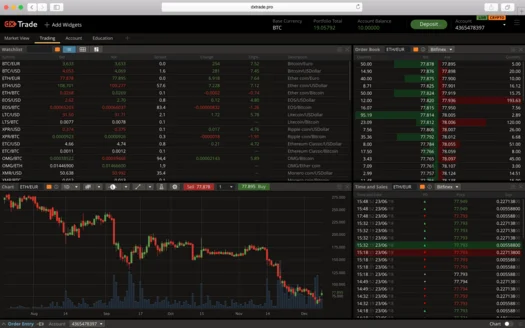
(Disclosure: As an affiliate, I may earn commissions from links to Coinbase or Binance. But I only recommend what I’d use myself.)

How to Choose the Right Crypto Wallet for You

Overwhelmed by options? Ask yourself: How much crypto do I have? If under $1,000, a hot wallet like Zengo is fine. More? Go cold with Ledger.
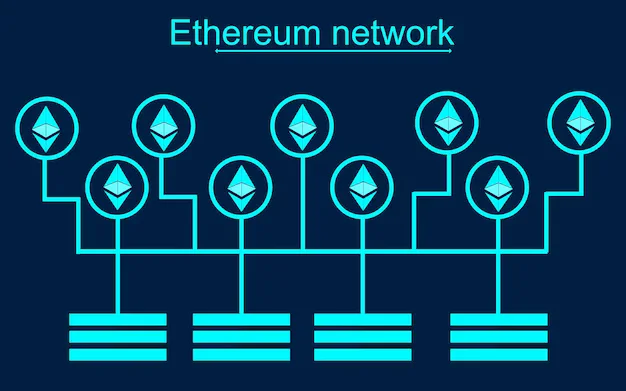
Consider compatibility—Ethereum-focused? MetaMask. Multi-coin? Trust Wallet. Bitcoin purist? Check out dedicated Bitcoin wallets.

Ease of use matters too. Beginners, avoid complex ones like Sparrow unless you’re Bitcoin-only and ready for advanced features.

Finally, check fees and support. Free wallets are great, but premium features can be worth it. Resources like Bitcoin.org’s wallet guide can help with specific use cases.

In my experience, the best choice evolves. Start simple, upgrade as needed.

Step-by-Step: Setting Up Your First Crypto Wallet

Ready to dive in? Let’s use Coinbase Wallet as an example—it’s beginner-friendly and ties into a popular crypto exchange.

  1. Download the app from the official site (avoid fakes!).
  2. Create a new wallet—write down your 12-word seed phrase securely. (Never share it!)
  3. Set a PIN or biometric lock.
  4. Buy crypto on Coinbase exchange and transfer to your wallet address.

Boom! You’re set.

Took me 10 minutes first time. For hardware like Ledger, connect via USB/Bluetooth and follow the app prompts.

Important: Back up your seed phrase offline. Lose it, lose your crypto.

youtube.com

Common Mistakes Beginners Make with Crypto Wallets (And How to Avoid Them)

Most beginners screw up here—I did too. Top mistake: Forgetting to back up the seed phrase. Solution: Store it in a fireproof safe or metal plate like Cryptosteel or Billfodl.

Another: Sending to the wrong address. Always double-check—crypto transactions are irreversible. According to Cointelegraph, user errors account for a significant portion of crypto losses.

Leaving funds on a crypto exchange long-term? Big no-no. Move to a wallet ASAP.

Falling for scams: Never click suspicious links. Use official apps only. The Federal Trade Commission has resources on recognizing crypto scams.

Constantly checking prices? It leads to panic selling. Set it and forget it for holdings.

According to security researchers and industry reports from sources like Kaspersky, these kinds of security errors contribute to the billions of dollars lost to hacks and scams each year.

Warning: Ignore DMs promising free crypto. They’re scams 99% of the time.

Essential Security Tips for Your Crypto Wallet

Security isn’t optional in 2025’s crypto world. Enable 2FA everywhere—apps like Authy or Google Authenticator provide excellent protection.

Use strong, unique passwords—consider a manager like LastPass, 1Password, or Bitwarden.

For hot wallets, avoid public Wi-Fi. If you must use it, connect through a VPN service for added security.

Cold wallets? Keep them offline when not in use.

Regularly update software to patch vulnerabilities. Check CVE databases for known crypto wallet vulnerabilities.

And diversify: Don’t put all eggs in one wallet. Learn more about Ethereum security best practices for comprehensive protection strategies.

Think of it like home security—locks, alarms, and vigilance.

vocal.media

Cryptocurrency Wallets Explained: How They Work and Stay Secure

Pro Tip: Test recovery with a small amount. Simulate losing access to ensure your backup works.

Every wallet has trade-offs. According to comprehensive reviews from CNET and Forbes:

Zengo: Pros—Easy, no seed phrase. Cons—Limited to mobile.

Ledger: Pros—Ultra-secure, supports thousands of coins. Cons—Costs money, less convenient.

MetaMask: Pros—DeFi integration, huge ecosystem. Cons—Gas fees can add up.

Weigh them against your needs. For a deeper comparison of wallet features, our top 10 crypto wallets guide breaks down each option in detail.

In the end, the best wallet is one you use correctly.

Frequently Asked Questions About Crypto Wallets

What is the safest crypto wallet for beginners?

Zengo or Coinbase Wallet for hot, Ledger for cold. CoinDesk’s wallet reviews provide additional comparisons.

Do I need a wallet if I use a crypto exchange?

Yes, for better control and security. Read more about the differences between Bitcoin and Ethereum wallets.

What’s the difference between hot and cold wallets?

Hot are online (convenient), cold offline (secure). Investopedia’s guide explains this in depth.

How do I recover a lost wallet?

Using your seed phrase—keep it safe! Resources like Ledger Academy offer recovery tutorials.

Are crypto wallets free?

Many are, like MetaMask, but hardware ones cost $50–150.

Can I store NFTs in a crypto wallet?

Yes, most support them, like MetaMask. Check OpenSea’s wallet guide for NFT storage options.

What’s a seed phrase?

A 12–24 word backup code for your wallet. Never share it with anyone.

Is it safe to buy crypto wallets from Amazon?

It’s safer to buy directly from the manufacturer or an authorized reseller to avoid tampered devices. Ledger’s official warning explains why.

How many crypto wallets should I have?

Start with one, add more for diversification.

What if I forget my wallet password?

Use seed phrase to reset, but don’t lose that!

Conclusion: Take Control of Your Crypto Today

There you have it—a complete guide to the best crypto wallets for beginners in 2025. We’ve covered why they’re superior to just using a crypto exchange for storage, top picks like Zengo and Ledger, setup tips, and how to stay secure.

Remember, crypto is exciting but volatile—start small, learn as you go, and never invest more than you can afford to lose. (This isn’t financial advice; always do your research.)

Next steps: Pick a wallet from our list, set it up today, and transfer a small amount from your crypto exchange. Ready to buy your first crypto? Check out Binance for global options or Coinbase for US users.


Related Articles: